Used 1997 Jeep Wrangler For Sale: A Comprehensive Buyer’s Guide
Used 1997 Jeep Wrangler For Sale: A Comprehensive Buyer’s Guide typestruckssale.com
The 1997 Jeep Wrangler, affectionately known by its chassis code "TJ," marks a pivotal moment in the storied history of the iconic American off-roader. It was the year Jeep dared to reimagine the Wrangler, shedding the leaf springs of its predecessors (YJ and CJ) in favor of a coil-spring suspension system. This revolutionary change brought unprecedented levels of ride comfort and articulation, transforming the Wrangler from a notoriously rough-riding utilitarian vehicle into something genuinely capable on-road without sacrificing its legendary off-road prowess. For enthusiasts and casual adventurers alike, a used 1997 Jeep Wrangler for sale represents more than just a vehicle; it’s a piece of automotive heritage, a highly customizable platform, and a gateway to unparalleled open-air freedom and adventure.
Today, over two decades since its debut, the 1997 TJ remains a highly sought-after model in the used vehicle market. Its robust build, straightforward mechanics, and the sheer joy of its driving experience make it a compelling choice for anyone looking for an authentic Jeep experience without the complexities and higher price tags of newer models. Whether you’re an off-road purist, a weekend explorer, or simply someone yearning for a unique and reliable convertible SUV, understanding the nuances of buying a used 1997 Jeep Wrangler is crucial to making an informed and satisfying purchase. This comprehensive guide will walk you through everything you need to know about finding, evaluating, and owning one of these timeless machines.
Used 1997 Jeep Wrangler For Sale: A Comprehensive Buyer’s Guide
I. Why Choose a Used 1997 Jeep Wrangler TJ?
The enduring appeal of the 1997 Jeep Wrangler is multifaceted, drawing in a diverse range of buyers for various compelling reasons:
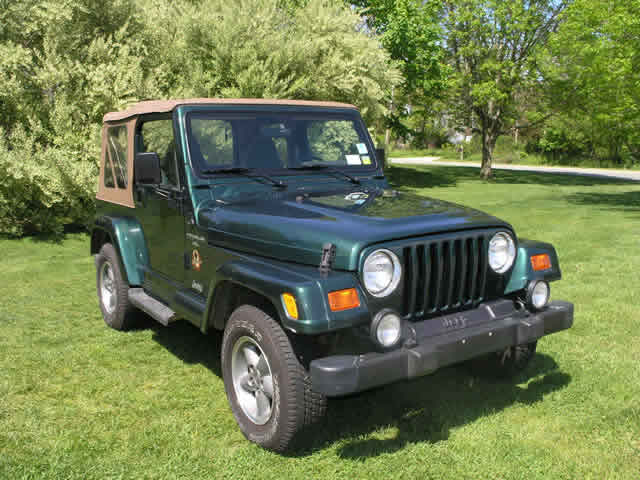
- Iconic Design & Nostalgia: The ’97 TJ marked the return of the classic round headlights, a beloved feature missing from the preceding YJ. Its rugged, no-nonsense aesthetic is instantly recognizable and embodies the spirit of adventure. For many, it’s a vehicle that evokes fond memories or represents a long-held dream.
- Unmatched Off-Road Capability: At its core, the TJ is an off-road beast. Its short wheelbase, solid front and rear axles (Dana 30/35 or optional Dana 44), and groundbreaking coil-spring suspension provide exceptional articulation and ground clearance. Stock TJs are highly capable, and with a few modifications, they become nearly unstoppable.
- Simplicity and Ease of Modification: Unlike modern vehicles laden with complex electronics, the 1997 TJ is relatively simple mechanically. This makes it easier for DIY enthusiasts to perform maintenance, repairs, and, most importantly, custom modifications. The aftermarket support for TJs is vast, allowing owners to tailor their Jeep precisely to their needs, whether for hardcore rock crawling or overland adventures.
- Durability and Reliability (Especially the 4.0L Engine): The venerable 4.0-liter inline-six cylinder engine (AMC 242) is legendary for its robustness and longevity, often exceeding 200,000 miles with proper maintenance. While the 2.5-liter four-cylinder is also reliable, the 4.0L is the preferred choice for its ample torque and highway performance.
- Strong Community and Parts Availability: The Jeep community is one of the most vibrant and supportive automotive subcultures. TJ owners benefit from a wealth of shared knowledge, online forums, and local clubs. Furthermore, parts, both OEM and aftermarket, are readily available and often affordable, making ownership manageable.
- Excellent Value Retention: Jeeps, particularly Wranglers, hold their value exceptionally well. A well-maintained 1997 TJ can be a sound investment, often appreciating or at least maintaining its value, unlike many other vehicles of its age.
II. Key Features and Specifications of the 1997 TJ
Understanding the core specifications of the 1997 TJ will help you identify the right model for your needs and evaluate its condition:
- Engines:
- 2.5L AMC I4: 120 hp, 140 lb-ft torque. Adequate for light duty and city driving, but can feel underpowered on highways or with larger tires.
- 4.0L AMC I6: 181 hp, 222 lb-ft torque. The highly recommended choice for its power, torque, and legendary reliability, making it suitable for daily driving, towing, and serious off-roading.
- Transmissions:
- Manual: Aisin AX-5 (for 2.5L) or Aisin AX-15 (for 4.0L). Both are durable and offer engaging driving experiences.
- Automatic: Chrysler 32RH (for 4.0L). A reliable 3-speed automatic, though less fuel-efficient than the manual.
- Transfer Cases:
- Command-Trac (NP231): Standard on most TJs. Part-time 4WD system, not for use on dry pavement in 4WD. Highly robust.
- Selec-Trac (NP242): Optional, rarer. Full-time 4WD mode that can be used on all surfaces, offering more versatility.
- Suspension: Coil springs at all four corners, a significant upgrade over previous generations, providing a more comfortable ride and improved articulation.
- Axles:
- Front: Dana 30 (standard).
- Rear: Dana 35 (standard on most TJs) or the more robust Dana 44 (optional, found on some Sport/Sahara models, highly desirable for off-roaders).
- Brakes: Front disc, rear drum.
- Interior: Basic, durable, and designed for easy cleaning. Features include removable doors and a fold-down windshield for the ultimate open-air experience.
- Exterior: Classic Jeep styling with seven-slot grille and round headlights. Available with soft top, hard top, or both.
III. What to Look For When Buying a Used 1997 Jeep Wrangler
Purchasing a vintage vehicle like the 1997 TJ requires a thorough inspection. Prioritize these areas:
- 1. Rust, Rust, Rust: This is the TJ’s Achilles’ heel, especially in areas where salt is used on roads.
- Frame: Critically inspect the frame rails, particularly around the skid plate mounts, control arm mounts (upper and lower), spring perches, and the rear crossmember near the gas tank. Look for flaking, bubbling, or perforations. Extensive frame rust can be a deal-breaker.
- Body: Check floorboards (under the carpet), rocker panels, wheel wells, and behind the fender flares.
- Tub: Pay attention to the areas where the body mounts meet the frame.
- 2. Engine (4.0L I6 Focus):
- Leaks: Common spots for leaks include the rear main seal (often a minor weep, not always a major concern), oil filter adapter, and valve cover gasket.
- Noises: Listen for ticking (exhaust manifold cracks are common and not always critical), knocking, or whining.
- Cooling System: Check for radiator leaks, condition of hoses, and proper coolant level. Ensure the engine doesn’t overheat during a test drive.
- Maintenance History: Ask for oil change records, tune-ups, and any major repairs.
- 3. Transmission & Transfer Case:
- Manual: Test all gears, including reverse. Shifting should be smooth, not notchy or grinding. Check for clutch slip.
- Automatic: Ensure smooth shifts, no harsh engagement or slipping.
- Transfer Case: Test 2HI, 4HI, and 4LO. Engage and disengage smoothly. Listen for grinding noises.
- 4. Suspension & Steering:
- "Death Wobble": This violent front-end shimmy is a common (but fixable) TJ issue. Test drive on a bumpy road or hit a pothole. If it occurs, it indicates worn components (tie rod ends, track bar, ball joints, control arm bushings).
- Shocks & Springs: Check for worn or leaking shocks. Look for broken or sagging coil springs, especially if it’s been off-roaded heavily.
- Bushings: Inspect control arm and sway bar bushings for cracks or deterioration.
- 5. Brakes: Test braking performance. Look for rotor wear (grooves), pad thickness, and fluid leaks.
- 6. Electrical: Test all lights (headlights, tail lights, turn signals), gauges, radio, and wipers.
- 7. Soft Top/Hard Top: Inspect the condition of the fabric/fiberglass, zippers, windows, and seals for tears, cracks, or leaks. Replacing a top can be expensive.
- 8. Tires: Check tread depth and even wear. Misalignment or worn suspension components can cause uneven tire wear.
- 9. Aftermarket Modifications: Be wary of poorly executed lifts or extreme modifications. Look for signs of shoddy wiring, improper welding, or components that look mismatched or stressed. High-quality mods can add value, but poorly done ones can be a nightmare.
- 10. Documentation: Always ask for the title (clear, not salvage) and service records. Run a CarFax or AutoCheck report to verify mileage, accident history, and ownership.
IV. Common Issues and Solutions for the 1997 TJ
While robust, the 1997 TJ does have a few common quirks and issues to be aware of:
- Rust: As mentioned, this is paramount. Solution: Thorough pre-purchase inspection. For minor surface rust, immediate grinding and rust encapsulator/paint. For structural rust, professional welding or frame replacement (costly). Prevention with undercoating is key for new owners.
- "Death Wobble": Solution: Diagnose and replace worn front-end components (track bar, tie rod ends, ball joints, control arm bushings, steering stabilizer). Often requires a systematic approach.
- Rear Main Seal Leaks (4.0L): Solution: Often a minor weep. Can be ignored if not actively dripping large amounts. Replacement is labor-intensive but not excessively costly for parts.
- Heater Core Issues: Can lead to poor heating or a sweet smell inside. Solution: Flushing the system or replacement (can be a major dash-out job).
- Exhaust Manifold Cracks (4.0L): Common and cause a ticking sound, especially when cold. Solution: Replacement with an aftermarket header or a factory manifold. Not typically a performance issue.
- Oxygen Sensor Failures: Can cause check engine lights and poor fuel economy. Solution: Relatively easy and inexpensive to replace.
V. Pricing a Used 1997 Jeep Wrangler
The price of a used 1997 Jeep Wrangler can vary significantly based on several factors:
- Condition: This is the biggest determinant. A rust-free, well-maintained TJ in excellent mechanical and cosmetic shape will command a premium.
- Mileage: Lower mileage generally means a higher price, though the 4.0L engine’s longevity means high mileage isn’t always a deal-breaker if well-maintained.
- Trim Level: Sahara models (with more features, often Dana 44 rear axle) and Sport models (often with 4.0L) tend to be more desirable than base SE models.
- Modifications: Quality, desirable modifications (e.g., proper lift kit, quality tires/wheels, upgraded axles) can add value. Poorly done or extreme modifications can detract.
- Location: Prices can vary regionally based on demand, climate (less rust in dry climates), and local market conditions.
- Hard Top vs. Soft Top: Having both or a good condition hard top can increase value.
Estimated Price Range (as of late 2023/early 2024):
| Condition | Estimated Price Range (USD) | Key Factors Affecting Price |
|---|---|---|
| Poor | $3,000 – $6,000 | Significant rust, mechanical issues, high mileage, needs major work. |
| Fair | $6,000 – $9,000 | Moderate rust, minor mechanical issues, high mileage, cosmetic flaws. |
| Good | $9,000 – $14,000 | Minimal rust, good mechanical condition, average mileage, minor cosmetic wear. |
| Excellent | $14,000 – $20,000+ | Rust-free, meticulously maintained, low mileage, desirable modifications, rare trims. |
Negotiation Tips:
- Be prepared with your inspection findings. Use any issues (e.g., minor rust, worn tires, small leaks) to negotiate the price down.
- Research comparable sales in your area.
- Don’t be afraid to walk away if the price isn’t right or the vehicle has too many red flags.
VI. Maintenance and Ownership Tips
Once you’ve found your 1997 TJ, proper care will ensure years of enjoyment:
- Regular Fluid Changes: Engine oil, transmission fluid, transfer case fluid, and differential fluids are crucial, especially if you plan to off-road.
- Rust Prevention: Wash the undercarriage regularly, especially after driving on salted roads or off-road in mud. Consider applying a rust preventative coating.
- Grease Zerk Fittings: Regularly grease steering and suspension components that have zerk fittings.
- Check Bolts and Nuts: After off-roading or any major work, check the torque on suspension, steering, and driveline bolts.
- Tire Rotation and Balance: Important for tire longevity and preventing "Death Wobble."
- Understand Its Quirks: The TJ is not a luxury car. Embrace its simplicity, its wind noise, and its rugged nature.
- Join the Community: Online forums (like JeepForum.com, WranglerForum.com) and local Jeep clubs are invaluable resources for advice, troubleshooting, and camaraderie.
VII. Frequently Asked Questions (FAQ)
Q1: Is the 1997 TJ a good first Jeep?
A1: Absolutely! Its simplicity, robust design, and vast aftermarket support make it an excellent choice for a first-time Jeep owner who wants to learn about their vehicle and potentially modify it.
Q2: Which engine is better, the 2.5L or 4.0L?
A2: For most buyers, the 4.0L inline-six is highly recommended. It offers significantly more power and torque, making it better for highway driving, larger tires, and more demanding off-road situations. The 2.5L is fine for city driving or light trails but can feel underpowered.
Q3: What’s "Death Wobble" and how do I fix it?
A3: "Death Wobble" is a violent, uncontrolled shaking of the front end, usually triggered by hitting a bump or pothole. It’s caused by worn or loose steering and suspension components (track bar, tie rod ends, ball joints, control arm bushings, steering stabilizer). Fixing it involves diagnosing and replacing the worn parts, often starting with the track bar.
Q4: Are parts readily available for the 1997 TJ?
A4: Yes, parts availability is excellent. Both OEM and a massive array of aftermarket parts are widely available from various retailers, making maintenance and customization easy.
Q5: How much does insurance cost for a 1997 Wrangler?
A5: Insurance costs vary widely based on your location, driving record, chosen coverage, and insurance provider. Generally, older vehicles like the 1997 TJ tend to have lower comprehensive and collision premiums compared to newer vehicles due to lower replacement costs.
Q6: Can I daily drive a 1997 TJ?
A6: Many people daily drive their 1997 TJs. While it’s not the most refined or fuel-efficient daily driver, its compact size, maneuverability, and open-air experience make it a fun and practical choice for many. Be prepared for a firmer ride and more road noise than modern SUVs.
Concluding Summary
The 1997 Jeep Wrangler TJ holds a special place in the hearts of off-road enthusiasts and automotive collectors alike. Its groundbreaking coil-spring suspension, coupled with the legendary 4.0L engine and iconic design, cemented its status as a true legend. While purchasing a used model requires careful inspection, particularly for rust and common wear items, the rewards of owning such a capable, customizable, and characterful vehicle are immense.
By understanding the key features, knowing what to look for during an inspection, and being aware of common issues, you can confidently navigate the market for a used 1997 Jeep Wrangler. For the right buyer, one who appreciates rugged simplicity, off-road prowess, and the spirit of open-air adventure, a well-chosen 1997 TJ isn’t just a vehicle—it’s a lifelong companion ready for any trail or journey you throw its way. Happy hunting, and prepare to join the ranks of passionate Jeep owners!