The Ultimate Guide to Buying a Used Honda Ridgeline: Your Smartest Pickup Choice?
The Ultimate Guide to Buying a Used Honda Ridgeline: Your Smartest Pickup Choice? Typesruckssale.com
Are you in the market for a pickup truck that defies convention, blending SUV-like comfort with genuine utility? Then a used Honda Ridgeline might just be the perfect vehicle for you. In a world dominated by traditional body-on-frame trucks, the Ridgeline stands out with its unique unibody construction, offering a driving experience and feature set unlike any other.
As an expert in the automotive market, I’ve seen countless buyers grapple with the decision of which used truck to choose. The Honda Ridgeline consistently emerges as a compelling option, particularly for those seeking reliability, versatility, and a comfortable ride without sacrificing capability for most everyday tasks. This comprehensive guide will delve deep into everything you need to know about finding and buying a used Honda Ridgeline pickup truck for sale, ensuring you make an informed decision that brings lasting satisfaction.
The Ultimate Guide to Buying a Used Honda Ridgeline: Your Smartest Pickup Choice?
Why Choose a Used Honda Ridgeline? The Unique Appeal
The Honda Ridgeline has always marched to the beat of its own drum. It’s not a traditional, heavy-duty workhorse, and that’s precisely its strength. When considering a used Honda Ridgeline, you’re looking at a vehicle that offers a distinct blend of attributes, making it an incredibly smart choice for a wide range of buyers.
Firstly, its unibody construction, shared with popular SUVs like the Honda Pilot, provides a significantly smoother and more refined ride compared to traditional body-on-frame trucks. This means less road noise, better handling, and a more comfortable experience during daily commutes or long road trips. You get the robust feel of a truck without the typical harshness.
Secondly, the Ridgeline’s versatility is truly unmatched in its class. From its innovative In-Bed Trunk® for secure, hidden storage to the dual-action tailgate that opens both down and sideways, it offers practical features that enhance usability. This thoughtful engineering transforms the truck bed into a highly functional space, perfect for everything from camping gear to work tools.
Finally, the inherent Honda reliability factor cannot be overstated. Honda has a long-standing reputation for building durable, long-lasting vehicles, and the Ridgeline is no exception. This translates into lower maintenance costs over time and excellent resale value, making a used Honda Ridgeline a sound financial investment. You’re buying into a legacy of quality and dependability.
Generations of the Honda Ridgeline: What to Look For
Understanding the different generations of the Honda Ridgeline is crucial when searching for a used model. Each generation offers distinct characteristics, technological advancements, and potential considerations. Knowing these differences will help you pinpoint the best fit for your needs and budget.
First Generation (2006-2014): The Original Innovator
The original Honda Ridgeline, produced from 2006 to 2014, was a groundbreaking vehicle that introduced many of the features we now associate with the model. It sported a distinctive, somewhat angular design that set it apart from other trucks on the road. Under the hood, all first-generation models were powered by a robust 3.5-liter V6 engine, paired with a five-speed automatic transmission and standard all-wheel drive.
Based on my experience, these early models offer incredible value if you find one that has been well-maintained. They still deliver excellent ride quality and possess the legendary In-Bed Trunk® and dual-action tailgate. Key features to look for include the spacious cabin, comfortable seating, and a generally robust build quality that stands the test of time.
However, there are a few considerations unique to the first generation. The timing belt, for instance, typically requires replacement around the 100,000-mile mark, which can be a significant expense if not already done. Rust can also be a concern, particularly on the frame and suspension components, for vehicles operated in areas with harsh winters and road salt. Always perform a thorough inspection of the undercarriage.
Second Generation (2017-Present): Refined and Modernized
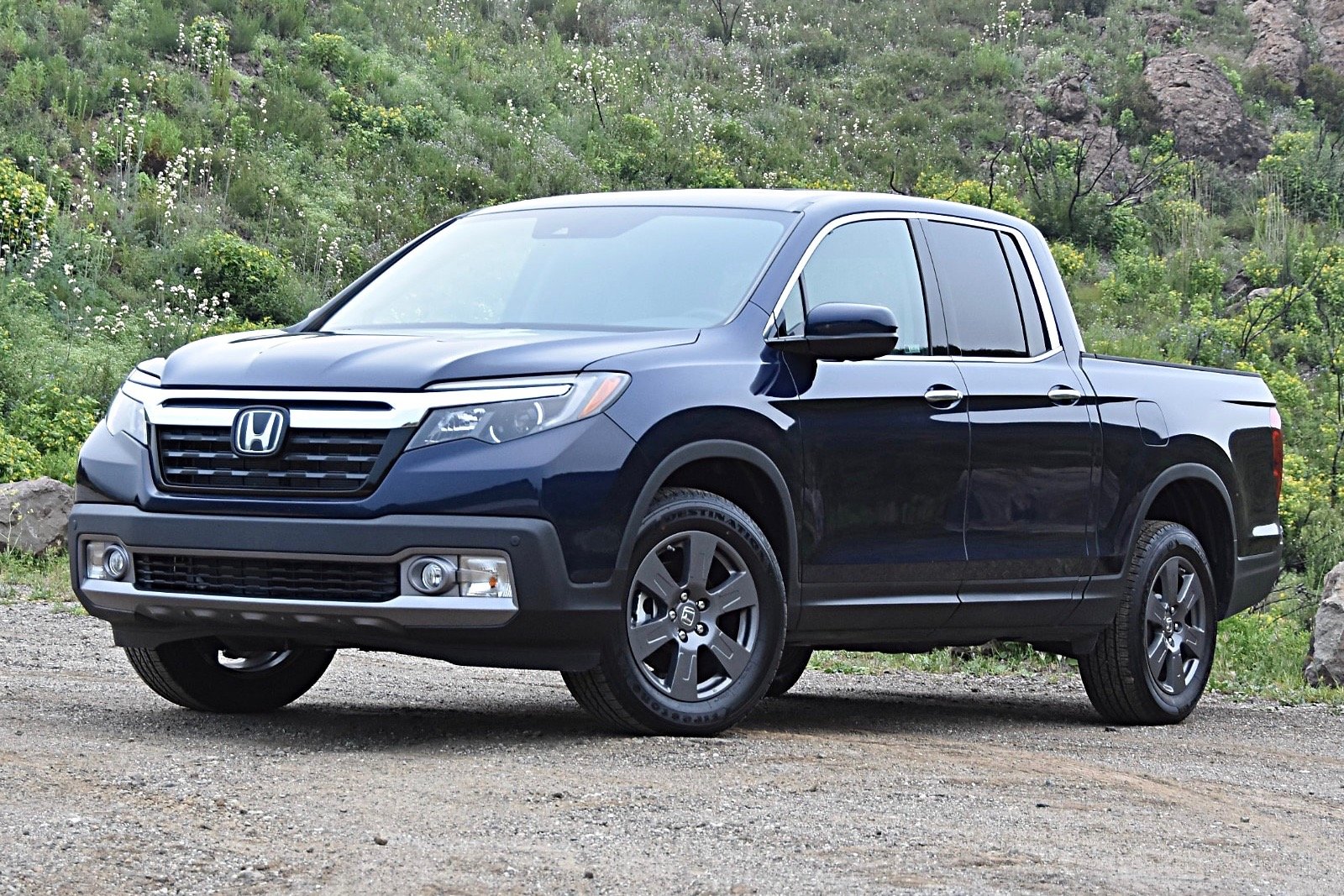
After a brief hiatus, the Honda Ridgeline returned for its second generation in 2017 with a significant redesign. This iteration adopted a more conventional truck aesthetic, sharing more visual cues with the Honda Pilot and Passport. The unibody construction remained, but the styling became smoother and more universally appealing.
The second-generation Ridgeline maintains the reliable 3.5-liter V6 engine, now paired with a six-speed automatic transmission (later upgraded to a nine-speed). It also comes standard with Honda’s i-VTM4 all-wheel-drive system, offering impressive traction and capability. Inside, the cabin was modernized with updated infotainment systems, including Apple CarPlay and Android Auto on higher trims, and a suite of advanced safety features known as Honda Sensing.
When considering a used second-gen Ridgeline, you’ll benefit from improved fuel efficiency, enhanced technology, and a more refined driving experience. Pro tips from us: Pay close attention to the infotainment system’s responsiveness on earlier second-gen models, as some initial versions had minor glitches. Also, check for proper operation of all Honda Sensing features, if equipped, during your test drive.
Key Features That Make the Ridgeline Stand Out (Across Generations)
The Honda Ridgeline isn’t just a truck; it’s a collection of thoughtful innovations designed to make your life easier. These unique features are what truly set it apart from the competition, regardless of the generation you choose. Understanding them will highlight the practical advantages of owning a used Honda Ridgeline.
The Revolutionary In-Bed Trunk®
Perhaps the most talked-about feature of the Ridgeline is its lockable, drainable In-Bed Trunk®. Located beneath the truck bed floor, this ingenious storage compartment provides a secure place for valuables, groceries, or even ice for a tailgate party. It’s a game-changer for truck owners who often wish they had a secure, weather-resistant storage option separate from the main cabin.
This feature is standard on all Ridgeline models, from the very first generation to the latest. Its practical utility makes it invaluable for everything from keeping tools safe to stashing wet gear after a hike. Based on my experience, once you’ve had a truck with an In-Bed Trunk, it’s hard to go back to one without it.
The Versatile Dual-Action Tailgate
Complementing the In-Bed Trunk® is the Ridgeline’s dual-action tailgate. Unlike traditional tailgates that only open downwards, the Ridgeline’s tailgate can also swing open to the side. This simple yet brilliant design makes it incredibly easy to load bulky items directly into the bed, or to access the In-Bed Trunk® without having to reach over a lowered tailgate.
Whether you’re loading plywood, maneuvering a heavy cooler, or just trying to get to your gear in the trunk, the dual-action tailgate simplifies the process. It’s another testament to Honda’s commitment to practical, user-friendly design, enhancing the overall utility of the truck bed.
SUV-Like Comfort and Interior Space
Step inside a used Honda Ridgeline, and you’ll immediately notice the difference from other trucks. The cabin is spacious, comfortable, and designed with passenger comfort in mind, much like a large SUV. This is a direct benefit of its unibody architecture, which allows for a flatter floor and more interior room.
The rear seats offer generous legroom and can often fold up, revealing additional storage space underneath. This flexibility makes the Ridgeline an excellent family vehicle, capable of comfortably seating five adults while still offering significant cargo capacity. The quality of materials and ergonomic layout are typically superior to many competitors in the mid-size truck segment.
Capable V6 Power and All-Wheel Drive
Every Honda Ridgeline comes equipped with a powerful and efficient 3.5-liter V6 engine, providing ample horsepower and torque for most tasks. This engine is known for its smooth operation and Honda’s legendary reliability. Coupled with the standard all-wheel-drive system, the Ridgeline offers confident performance in a variety of conditions, from snowy roads to light off-road trails.
While it’s not designed for extreme rock crawling or towing massive loads like some heavy-duty trucks, the Ridgeline is more than capable for light-duty hauling, towing small trailers, and navigating challenging weather. The AWD system, particularly the i-VTM4 system in second-gen models, provides excellent traction and stability, making it a reliable companion year-round.
What to Inspect Before Buying a Used Honda Ridgeline
Buying a used vehicle always requires a diligent inspection, and a used Honda Ridgeline is no different. A thorough check can save you from unexpected repair costs and ensure you’re getting a vehicle that meets your expectations for reliability and performance. Don’t rush this crucial step.
Mechanical Checklist: The Heart of the Truck
Start your inspection under the hood and beneath the vehicle. Look for any signs of fluid leaks around the engine and transmission. Check the engine oil and transmission fluid levels and condition; healthy fluids should be clean and not smell burnt. Listen for any unusual noises during startup and while the engine is idling.
Inspect the brakes by looking at the pads and rotors for excessive wear. Feel for any pulsations during the test drive. Examine the tires for even wear and sufficient tread depth. Uneven tire wear can indicate alignment issues or suspension problems. Finally, check the suspension components, including shocks, struts, and bushings, for leaks or damage. Any clunking or squeaking sounds over bumps during the test drive should be investigated.
Electrical and Interior Components: Comfort and Functionality
Move inside the cabin and systematically test every electrical component. Ensure all lights, including headlights, taillights, turn signals, and interior lights, are working correctly. Check the functionality of the infotainment system, radio, Bluetooth connectivity, and any USB ports. Test the heating and air conditioning system to ensure it blows hot and cold air effectively.
Operate all power windows, door locks, and side mirrors to confirm smooth operation. Pay attention to the condition of the seats, carpets, and headliner for excessive wear, tears, or stains. A well-maintained interior often suggests a car that has been cared for by its previous owner.
Body, Frame, and Truck Bed: The Exterior Story
Carefully walk around the entire vehicle, inspecting the body panels for dents, scratches, and any signs of rust, especially in the wheel wells and rocker panels. Check for consistent panel gaps, which can indicate previous accident damage. Open and close all doors, the hood, and the tailgate to ensure they operate smoothly and latch securely.
For the truck bed, look for excessive dents, scratches, or signs of heavy use. Crucially, test the functionality of both the In-Bed Trunk® and the dual-action tailgate. Ensure the trunk opens and closes properly, and that the tailgate swings both down and to the side without any binding or excessive force.
Service Records and Vehicle History Report: Your Essential Tools
Pro tips from us: Never skip the vehicle history report from services like CARFAX or AutoCheck. This report provides invaluable information about the vehicle’s past, including accident history, previous owners, reported mileage, and service records. It can reveal hidden issues or confirm the vehicle’s clean title status.
Always ask the seller for any available service records. A complete history of maintenance shows a responsible owner and can give you confidence in the vehicle’s condition. Look for evidence of regular oil changes, tire rotations, and specific maintenance items like timing belt replacements on first-generation models.
Common Problems & Maintenance Considerations for Used Ridgelines
While the Honda Ridgeline boasts an excellent reputation for reliability, like any vehicle, it has specific areas that require attention and common issues to be aware of. Knowing these can help you better assess a used model and plan for future maintenance.
First Generation (2006-2014) Specifics
One of the most significant maintenance items for the first-generation Ridgeline is the timing belt replacement. This crucial component typically needs to be changed around 100,000 miles. If the vehicle you’re considering is approaching or has passed this mileage, confirm if this service has been performed. If not, factor the cost (which can be substantial) into your budget. Common mistakes to avoid are neglecting the timing belt on a first-gen Ridgeline, as its failure can lead to catastrophic engine damage.
Rust is another area of concern, particularly for models driven in regions with heavy road salt usage. Inspect the frame, suspension components, and the area around the spare tire for corrosion. While surface rust is common, extensive rust can indicate structural integrity issues. Additionally, some owners have reported power steering pump leaks or issues with the power steering system, so listen for any unusual whining noises when turning the wheel.
Second Generation (2017-Present) Specifics
Early second-generation models (2017-2019) occasionally experienced infotainment system glitches. These could range from slow response times to connectivity issues. Often, these were resolved with software updates, so inquire if the system has received the latest updates. Test all functions of the screen and audio system thoroughly during your test drive.
While less common, some owners have reported a slight transmission shudder at lower speeds, particularly with the 6-speed automatic transmission. This is often linked to the transmission fluid and can sometimes be resolved with a fluid flush and software update. It’s not a widespread issue but worth being aware of.
Another point of discussion among second-gen owners relates to Honda’s Variable Cylinder Management (VCM) system. While designed to improve fuel economy by shutting off cylinders during light load, some owners report vibrations or premature engine mount wear. Some opt for aftermarket "VCM muzzlers" to disable the system, though this is a personal choice and not officially endorsed by Honda.
General Maintenance for All Ridgelines
Regardless of the generation, consistent routine maintenance is key to the Ridgeline’s longevity. This includes regular engine oil and filter changes, typically every 5,000-7,500 miles depending on driving conditions and oil type. Transmission fluid and differential fluid changes are also crucial, especially if the vehicle has been used for towing or heavy hauling. Consult the owner’s manual for recommended intervals.
Tire rotations every 5,000-7,000 miles help ensure even wear and prolong tire life. Regular brake inspections and fluid checks are also vital for safety. By adhering to the manufacturer’s recommended service schedule, you can expect many years of reliable service from a used Honda Ridgeline.
Test Driving Your Potential Used Honda Ridgeline
The test drive is your opportunity to experience the Ridgeline firsthand and identify any potential issues that a static inspection might miss. Don’t just take it around the block; simulate your typical driving conditions as much as possible.
When you start the engine, listen for any unusual noises – knocking, ticking, or grinding. As you accelerate, pay attention to how the engine responds. Does it feel smooth and powerful, or sluggish and hesitant? The transmission should shift smoothly without any harsh jerks or delays. Drive at various speeds, including highway speeds, to check for vibrations or unusual noises at higher RPMs.
Test the brakes by applying them gently and firmly. The vehicle should stop in a straight line without pulling to one side, and the pedal should feel firm, not spongy. Listen for any squealing or grinding sounds from the brakes. Turn the steering wheel from lock to lock at low speeds to check for any groaning or clunking sounds, which could indicate power steering or suspension issues.
Finally, drive over different road surfaces, including some bumps or uneven terrain, to assess the suspension. It should absorb impacts smoothly without excessive bounciness or harshness. Make sure all accessories, like the air conditioning, radio, and cruise control, function correctly during your drive. This comprehensive approach will give you a clear picture of the used Honda Ridgeline’s true condition.
Pricing & Value: What to Expect When Buying a Used Ridgeline
Determining a fair price for a used Honda Ridgeline involves considering several factors. Unlike some other trucks that can fluctuate wildly, the Ridgeline tends to hold its value well due to its reliability and unique appeal.
The year, mileage, and overall condition are the primary drivers of price. Newer models with lower mileage and excellent maintenance records will command higher prices. The trim level also plays a significant role; higher trims like the RTL-E or Black Edition (second gen) or RTS/RTL (first gen) with more features will be more expensive than base models. Geographic location can also influence pricing, with some regions having higher demand or different market values.
To research fair market value, consult reputable sources like Kelley Blue Book (KBB.com), Edmunds.com, and NADAguides.com. These platforms provide estimated values based on current market data, allowing you to gauge whether a listed price is reasonable. Also, browse local listings on sites like AutoTrader, CarGurus, and even dealership websites to see what similar models are selling for in your area.
When negotiating, be prepared with your research. Highlight any imperfections or upcoming maintenance needs you’ve identified to justify a lower offer. Don’t be afraid to walk away if the price isn’t right or if the seller isn’t transparent.
Where to Find Used Honda Ridgeline Pickups For Sale
Finding your ideal used Honda Ridgeline requires knowing where to look. You have several avenues, each with its own advantages and considerations.
Dealerships are a popular choice. Honda certified pre-owned (CPO) programs offer late-model, low-mileage Ridgelines that have undergone rigorous inspections and come with extended warranties. This provides peace of mind but typically comes at a premium price. Independent used car dealerships also offer a wide selection, often at more competitive prices, but the level of inspection and warranty coverage can vary.
Private sellers often list their vehicles on online marketplaces like Craigslist, Facebook Marketplace, and local classifieds. Buying from a private seller can yield the best deals, as you’re cutting out the dealership’s markup. However, it requires more vigilance on your part for inspections, paperwork, and negotiating. You’ll also typically buy the vehicle "as-is" without any warranty.
Online automotive marketplaces like AutoTrader.com, CarGurus.com, and Cars.com aggregate listings from both dealerships and private sellers across the country. These platforms offer advanced search filters, allowing you to quickly narrow down options by year, mileage, price, and features. They often include vehicle history reports and transparent pricing tools.
Finally, auto auctions can be a source for used vehicles, but they are generally recommended for experienced buyers. Vehicles are sold quickly, often with limited inspection opportunities, and usually "as-is," meaning you assume all risks.
Financing Your Used Ridgeline
Once you’ve found the perfect used Honda Ridgeline, the next step is often securing financing. Understanding your options will help you make a financially sound decision.
You can typically obtain a loan through banks, credit unions, or dealership financing. Credit unions often offer some of the most competitive interest rates, so it’s always wise to check with them first. Get pre-approved for a loan before you start shopping; this gives you a clear budget and negotiation leverage.
Consider the interest rate – a lower rate means less money paid over the life of the loan. Your credit score will significantly impact the rate you qualify for. A down payment can reduce your monthly payments and the total interest paid. Beyond the purchase price, remember to budget for insurance costs, registration fees, and potential future maintenance. A comprehensive financial plan ensures you’re ready for all aspects of used vehicle ownership.
Is a Used Honda Ridgeline Right for YOU?
The decision to buy a used Honda Ridgeline ultimately comes down to your specific needs and priorities. It’s a fantastic truck, but it’s not for everyone.
The Ridgeline is ideal for individuals or families who need a versatile vehicle that can comfortably handle daily driving, light-duty hauling, and occasional towing. It’s perfect for those who appreciate SUV-like ride comfort, a refined interior, and Honda’s renowned reliability. If you frequently transport bikes, camping gear, gardening supplies, or need a secure, hidden storage solution, the In-Bed Trunk and dual-action tailgate will be invaluable. It excels as a comfortable daily driver that can still tackle home improvement projects or weekend adventures.
However, the Ridgeline might not be the best choice if you require a truck for heavy-duty towing (beyond 5,000 lbs), extreme off-roading, or consistently hauling very heavy payloads. Its unibody construction, while providing comfort, means it has different capabilities than traditional body-on-frame trucks designed for commercial-grade work. Traditional truck enthusiasts who prioritize maximum towing capacity or a rugged, stripped-down work truck feel might find the Ridgeline too refined.
Conclusion: Your Smart Path to a Used Honda Ridgeline
The used Honda Ridgeline stands as a unique and compelling option in the competitive truck market. Its blend of SUV comfort, innovative utility features, and legendary Honda reliability makes it a smart choice for a broad spectrum of buyers. By understanding its generations, key features, and what to look for during inspection, you can confidently navigate the purchasing process.
Remember to prioritize a thorough inspection, obtain a vehicle history report, and conduct a comprehensive test drive. With diligent research and an informed approach, you can find a used Honda Ridgeline that provides years of dependable service and truly enhances your lifestyle. Start your search today and discover why so many drivers choose this unconventional, yet incredibly capable, pickup truck.