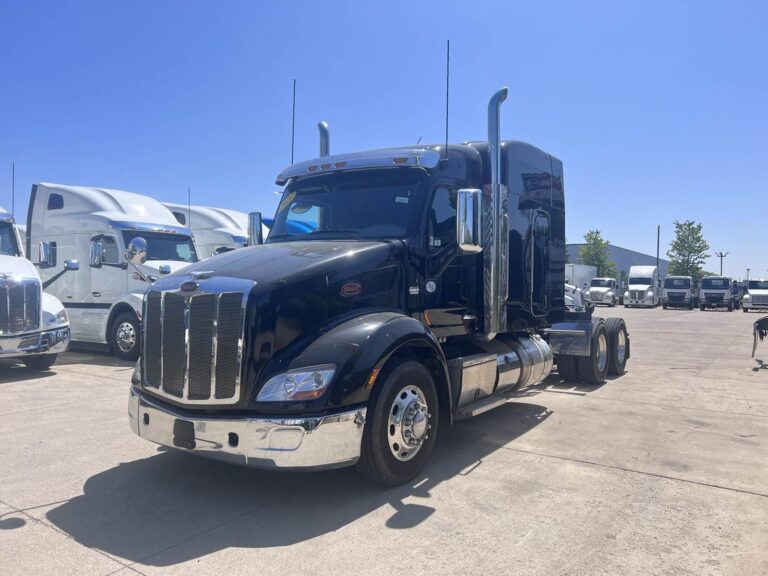
Riding on Air: Your Ultimate Guide to Finding the Perfect Bagged Trucks For Sale
Riding on Air: Your Ultimate Guide to Finding the Perfect Bagged Trucks For Sale Typesruckssale.com
The roar of an engine, the gleam of chrome, and a stance so low it practically kisses the asphalt – there’s something undeniably captivating about a bagged truck. These custom machines, equipped with sophisticated air suspension systems, offer a unique blend of eye-catching aesthetics, adjustable ride height, and often, surprising comfort. For many, owning a bagged truck isn’t just about transportation; it’s a statement, a passion, and a commitment to a distinctive automotive lifestyle.
If you’re among those captivated by these rolling works of art and are actively searching for "bagged trucks for sale," you’ve landed in the right place. This comprehensive guide will walk you through everything you need to know, from understanding the intricacies of air suspension to crucial inspection tips and common pitfalls to avoid. Our goal is to empower you with the knowledge to make an informed decision, ensuring your journey into the world of bagged trucks is as smooth as the ride itself.
Riding on Air: Your Ultimate Guide to Finding the Perfect Bagged Trucks For Sale
Understanding the "Bagged Truck" Phenomenon
At its core, a "bagged truck" refers to a vehicle that has had its traditional coil or leaf spring suspension replaced with an air suspension system. Instead of conventional springs, rubber airbags (often called "air springs" or "air bags") are used, which can be inflated or deflated to adjust the truck’s ride height. This allows the truck to be raised for driving over obstacles or lowered dramatically for a show-stopping, ground-hugging appearance.
The allure of these custom trucks extends far beyond mere aesthetics. While the ability to "lay frame" or achieve a perfectly level stance is a huge draw, air suspension also offers practical benefits. It can provide a remarkably smooth and comfortable ride, often superior to traditional setups, and allows for load leveling, making them surprisingly versatile for certain hauling needs. The dynamic nature of air ride systems opens up a world of customization possibilities that static lowering simply cannot match.
The Allure of Bagged Trucks: More Than Just Lowriders
While often associated with the lowrider culture, bagged trucks encompass a much broader spectrum of customization. They can range from meticulously crafted show trucks designed purely for display, to highly functional daily drivers that offer adjustable clearance for various road conditions. The versatility of air suspension allows owners to transform their vehicle’s look and feel with the touch of a button.
This adaptability means a bagged truck can tackle speed bumps with ease when aired up, then drop down to create an aggressive, custom look at a car meet. It’s this dual personality – practicality combined with dramatic flair – that makes bagged trucks so appealing to a diverse group of enthusiasts. Whether you’re seeking a head-turning cruiser or a subtle yet sophisticated daily driver, there’s a bagged truck configuration out there for you.
Key Considerations When Looking for Bagged Trucks For Sale
Before diving into listings for "bagged trucks for sale," it’s crucial to define your needs and prepare for the unique aspects of owning such a vehicle. This proactive approach will save you time, money, and potential headaches down the road.
1. Define Your Purpose: Show Truck vs. Daily Driver
Are you looking for a vehicle to trailer to shows, win trophies, and rarely see the open road? Or do you need a reliable daily commuter that also happens to turn heads? Show trucks often feature extreme modifications, potentially sacrificing some daily drivability for ultimate aesthetics. Daily drivers, while still customized, prioritize reliability, comfort, and practical ride height adjustments. Your purpose will heavily influence the type of bagged truck you should seek and the level of modification you’re comfortable with.
2. Budgeting for the Long Haul
The initial purchase price of a bagged truck is just one piece of the financial puzzle. Air suspension systems, especially high-end ones, can be complex and require specialized maintenance. Factor in potential repair costs, insurance premiums (which can be higher for modified vehicles), and the cost of any further customizations you might envision. Pro tips from us: Always set aside a contingency fund for unexpected repairs, as custom components can sometimes be harder to source or more expensive to fix.
3. Understanding Legalities and Regulations
Vehicle modification laws vary significantly by state and even by local municipality. Some areas have strict regulations regarding minimum ride height, tire clearance, fender flares, and even the visibility of certain components. Before committing to a purchase, research your local laws to ensure the bagged truck you’re considering is compliant. Common mistakes to avoid are assuming all modifications are universally legal; always verify to prevent future fines or inspection failures.
4. Your Experience Level with Custom Vehicles
Owning a bagged truck means you’ll likely be dealing with a more complex system than a stock vehicle. Are you comfortable with the idea of understanding how an air suspension system works, troubleshooting minor issues, or finding specialized mechanics? If you’re new to custom vehicles, consider a truck with a simpler, more robust air ride setup rather than an overly complex, cutting-edge system.
Where to Find Bagged Trucks For Sale
The market for custom vehicles like bagged trucks is diverse. Knowing where to look can significantly improve your chances of finding the right vehicle at the right price.
1. Online Marketplaces and Specialty Forums
Websites like eBay Motors, Craigslist, and Facebook Marketplace are popular starting points. However, for genuinely high-quality or unique bagged trucks, specialized forums and dedicated custom truck enthusiast websites are often better resources. These platforms usually have a more knowledgeable community and more detailed listings. Examples include custom truck forums, specific brand enthusiast groups, and even dedicated air suspension manufacturer forums that often feature classifieds.
2. Specialty Dealerships and Custom Shops
Some dealerships specialize in custom and performance vehicles, occasionally stocking bagged trucks. More commonly, reputable custom fabrication shops that build these trucks might also have a few for sale, either their own builds or consignments from clients. Buying from a shop can offer peace of mind, as they often stand behind their work and can provide detailed build sheets.
3. Car Shows and Private Sellers
Attending local and national custom car and truck shows is an excellent way to see bagged trucks in person and connect directly with owners. Many owners are open to discussing their builds and might even be looking to sell. Private sellers, found through word-of-mouth or online listings, can sometimes offer better deals, but they require a more thorough vetting process on your part.
What to Inspect When Buying a Bagged Truck: Crucial E-E-A-T Section
This is arguably the most critical part of your buying journey. Based on my experience in the custom vehicle world, a thorough inspection is non-negotiable when looking at "bagged trucks for sale." Don’t just look at the shiny paint; delve deep into the mechanics of the air ride system and the underlying structure.
1. The Air Suspension System: The Heart of the Beast
This is where your primary focus should be. A well-maintained air ride system is key to reliability and enjoyment.
- Compressors: Check for proper function. Do they cycle on and off smoothly? Are there any unusual noises (grinding, excessive rattling)? Look for signs of corrosion or leaks around the fittings. Multiple compressors often indicate a faster air-up time and redundancy.
- Air Tanks: Inspect for rust, dents, or signs of improper mounting. Ensure the drain valve (if present) is accessible and functional. The size of the tank impacts how many times you can adjust height before the compressor kicks in.
- Air Lines: Trace all air lines (usually nylon or DOT-approved rubber). Look for kinks, rubs, cracks, or any signs of leakage. Spraying soapy water on connections can help reveal tiny leaks.
- Airbags/Air Springs: These are the equivalent of your springs. Inspect them carefully for cracks, dry rot, rubbing, or punctures. They should look supple, not brittle. Check for proper clearance when aired up and down – no rubbing against frame, tires, or bodywork.
- Valves and Manifolds: These control air flow. Listen for any persistent hissing, which indicates a leak. Observe how quickly and smoothly the truck raises and lowers. Does it respond consistently to controller inputs?
- Management System: Identify the brand (e.g., AccuAir, Air Lift, RideTech). Understand if it’s a manual paddle valve system, an analog gauge setup, or a sophisticated digital pressure/height-based system. Test all functions of the controller. Pro tips from us: Ask if the system has a remote control or app integration, as these add significant convenience.
- Wiring and Plumbing: Examine the wiring for neatness, proper insulation, and secure connections. Sloppy wiring can lead to electrical gremlins. Ensure all plumbing is routed safely, away from hot exhaust components or sharp edges.
2. Chassis and Frame Modifications
Bagging a truck often requires significant frame modifications, especially for extreme lowering.
- Notches: Most bagged trucks will have C-notches (over the rear axle) or even full frame step-notches. Inspect these modifications for quality welds, proper reinforcement, and professional finish. Poor welding can compromise structural integrity.
- Clearance: When the truck is fully aired out, ensure no critical components (driveshaft, fuel tank, exhaust, brake lines) are touching the ground or rubbing against the frame.
- Body Drops: Some trucks have "body drops" where the body is lowered over the frame. This is an extensive modification; scrutinize the quality of the floor and tunnel work inside the cab.
3. Body and Paint
While aesthetics are important, look beyond the shine for functional issues.
- Fender Clearance: With the truck fully aired out and aired up, check for any signs of tires rubbing against fenders or inner wheel wells. This indicates improper wheel/tire fitment or insufficient fender modifications.
- Paint Quality: Assess the overall paint condition, but also look for signs of previous bodywork that might hide underlying issues.
- Custom Fabrication: If the truck has custom metalwork (e.g., shaved door handles, roll pans), inspect the quality of the fabrication and paint finish on these areas.
4. Wheels and Tires
Proper wheel and tire selection is crucial for bagged trucks.
- Fitment: Ensure the wheels and tires are correctly sized for the truck and its lowered stance. Look for even tire wear, which indicates proper alignment and lack of rubbing.
- Condition: Check for curb rash on wheels and adequate tread depth on tires.
5. Engine and Drivetrain
While the focus is on suspension, don’t neglect the basics.
- General Condition: Look for leaks, listen for unusual noises, and check fluid levels.
- Driveshaft Angle: With extreme lowering, driveshaft angles can become an issue, potentially leading to vibrations or U-joint wear. Ask if any driveshaft modifications or carrier bearing drops were done to correct angles.
6. Interior and Electronics
The interior often houses the controls and gauges for the air ride.
- Air Gauges: Ensure all air pressure gauges (for bags, tank) are working accurately.
- Controller: Test the functionality of the air ride controller.
- Custom Interior: If there are custom seats, dash, or audio, evaluate the quality of the work.
7. Documentation and History
This provides invaluable insight into the truck’s life.
- Build Sheets: Ask for any documentation related to the air ride installation – who did the work, what components were used, and when.
- Maintenance Records: Look for receipts for air ride system maintenance, repairs, or upgrades. This shows responsible ownership.
- Modification History: Understand the full scope of modifications beyond just the air ride.
Asking the Right Questions to Sellers
Don’t be shy. A knowledgeable seller will appreciate your thoroughness.
- "Who installed the air suspension system, and what brand components were used?"
- "Has the air ride system ever had any major issues or leaks? When was it last serviced?"
- "Are there any frame modifications, and were they professionally done?"
- "What is the daily drivability like? Are there any rubbing issues when aired out or at ride height?"
- "Why are you selling the truck?" (Often reveals underlying issues or simply a desire for a new project).
Pros and Cons of Owning a Bagged Truck
Like any specialized vehicle, bagged trucks come with their own set of advantages and disadvantages. Weighing these carefully will help you determine if this is the right choice for you.
Pros:
- Unrivaled Aesthetics: The ability to achieve an extremely low, aggressive stance is the primary draw for many. Bagged trucks command attention and offer a truly unique visual presence.
- Adjustable Ride Height: This is the practical superpower of air suspension. Raise it for speed bumps, driveways, or uneven terrain, then lower it for cruising or showing off.
- Improved Ride Comfort: Often, a properly set up air suspension system can provide a smoother, more compliant ride than traditional coil or leaf springs, absorbing road imperfections more effectively.
- Load Leveling: For trucks that still need to haul or tow, air suspension can automatically or manually adjust to maintain a level ride, regardless of the load in the bed or on the hitch.
- Show Potential: If you enjoy car shows, a bagged truck is almost a guaranteed crowd-pleaser and a strong contender for awards in various custom categories.
Cons:
- Higher Maintenance & Complexity: Air ride systems have more components than traditional suspension (compressors, tanks, lines, bags, valves, controllers). This complexity means more potential points of failure and requires more specialized maintenance.
- Potential Reliability Issues: While modern air ride systems are robust, older or poorly installed setups can be prone to leaks, compressor failures, or electrical gremlins. This can leave you stranded or with an undrivable vehicle.
- Specialized Repairs: Not every mechanic is familiar with diagnosing and repairing air suspension systems. Finding a knowledgeable shop can sometimes be a challenge and more expensive.
- Insurance Implications: Insuring a heavily modified vehicle can sometimes be more costly or require specialty insurers who understand custom valuations.
- Cost: The initial cost of installing a quality air ride system is significant, which translates to a higher purchase price for "bagged trucks for sale" compared to their stock counterparts.
- Ground Clearance Concerns: Even with adjustable height, driving a bagged truck, especially one with extreme lowering, requires constant awareness of potholes, speed bumps, and uneven terrain.
Financing and Insuring Your Bagged Truck
Financing a custom vehicle can be a bit different from a standard car loan. Many traditional lenders are hesitant to finance the "custom value" of a vehicle. You might need to secure a personal loan, or work with a specialty lender familiar with custom cars and trucks. When it comes to insurance, be upfront about all modifications. Consider agreed-value policies from specialty insurers (like Hagerty, Grundy) that will cover the actual appraised value of your custom work, not just the blue book value of the base truck.
Maintenance Tips for Bagged Truck Owners (E-E-A-T Section)
Once you’ve secured your dream bagged truck, ongoing maintenance is paramount to its longevity and reliability. Based on my experience, proactive care prevents costly breakdowns.
- Regular Leak Checks: This is perhaps the most crucial tip. Periodically spray soapy water on all air line connections, valve blocks, and around the airbags themselves. Even a tiny bubble indicates a leak that will eventually drain your tank and overwork your compressor.
- Compressor Health: Keep your compressor’s air filter clean or replace it regularly, especially if you drive in dusty environments. Check its mounting for vibrations. Listen for any changes in its operating sound. Many compressors have moisture traps or desiccants; ensure these are drained or replaced as per manufacturer recommendations to prevent water from entering your system.
- Bag Inspection: Regularly inspect the rubber airbags for signs of rubbing, cracking, or dry rot. Keep them clean, especially the bellows, to prevent abrasive debris from causing wear.
- Wiring and Plumbing Inspection: Twice a year, give a thorough visual inspection of all wiring and air lines. Look for any chafing points where they might rub against the frame, exhaust, or moving components. Secure any loose lines or wires immediately.
- System Drainage: If your system has an air dryer or moisture trap, drain it regularly to remove accumulated moisture. Water in the system can lead to corrosion and component failure, especially in colder climates where it can freeze.
- Controller Functionality: Ensure your controller is clean and functioning correctly. Avoid exposing it to extreme temperatures or moisture.
- Alignment Checks: Because you’re adjusting ride height, regular alignment checks are even more important than on a stock vehicle, especially if you drive at different heights.
- Pro tips from us: Carry a basic air suspension repair kit (spare fittings, a length of air line, zip ties) for roadside emergencies. Knowing how to manually fill your air tank with a portable compressor can be a lifesaver if your onboard compressor fails.
The Future of Bagged Trucks
The world of bagged trucks is constantly evolving. Advances in technology are leading to more sophisticated, reliable, and user-friendly air suspension systems. Digital management systems with smartphone integration, predictive ride height adjustments, and even self-leveling features are becoming more common. As manufacturing processes improve and component costs potentially decrease, we can expect to see even more innovation, making bagged trucks an even more appealing and accessible option for enthusiasts.
Conclusion
Finding the perfect bagged truck for sale is an exciting journey that blends passion with practical considerations. By understanding the mechanics, knowing what to inspect, asking the right questions, and being prepared for the unique aspects of ownership, you can confidently navigate the market. Remember, a bagged truck isn’t just a vehicle; it’s an extension of your personality, a canvas for creativity, and a testament to the art of automotive customization. With this guide, you’re now equipped to make an informed decision and embark on your own thrilling adventure, riding on air. Happy hunting!