Navigating the World of Pallet Trucks For Sale: Your Ultimate Buyer’s Guide
Navigating the World of Pallet Trucks For Sale: Your Ultimate Buyer’s Guide Typesruckssale.com
In the dynamic world of logistics, warehousing, and retail, efficient material handling is not just a convenience—it’s a necessity. At the heart of many operations lies a humble yet indispensable piece of equipment: the pallet truck. Whether you’re moving goods in a bustling warehouse, stocking shelves in a large retail store, or handling materials on a construction site, the right pallet truck can significantly boost productivity, enhance safety, and streamline your workflow.
However, with a vast array of pallet trucks for sale, choosing the perfect model can feel overwhelming. This comprehensive guide is designed to cut through the confusion, offering you an in-depth look at everything you need to know. From understanding the different types and their applications to crucial buying considerations and essential maintenance tips, we’ll equip you with the knowledge to make an informed decision that truly benefits your business.
What Exactly is a Pallet Truck, and Why is it Essential?
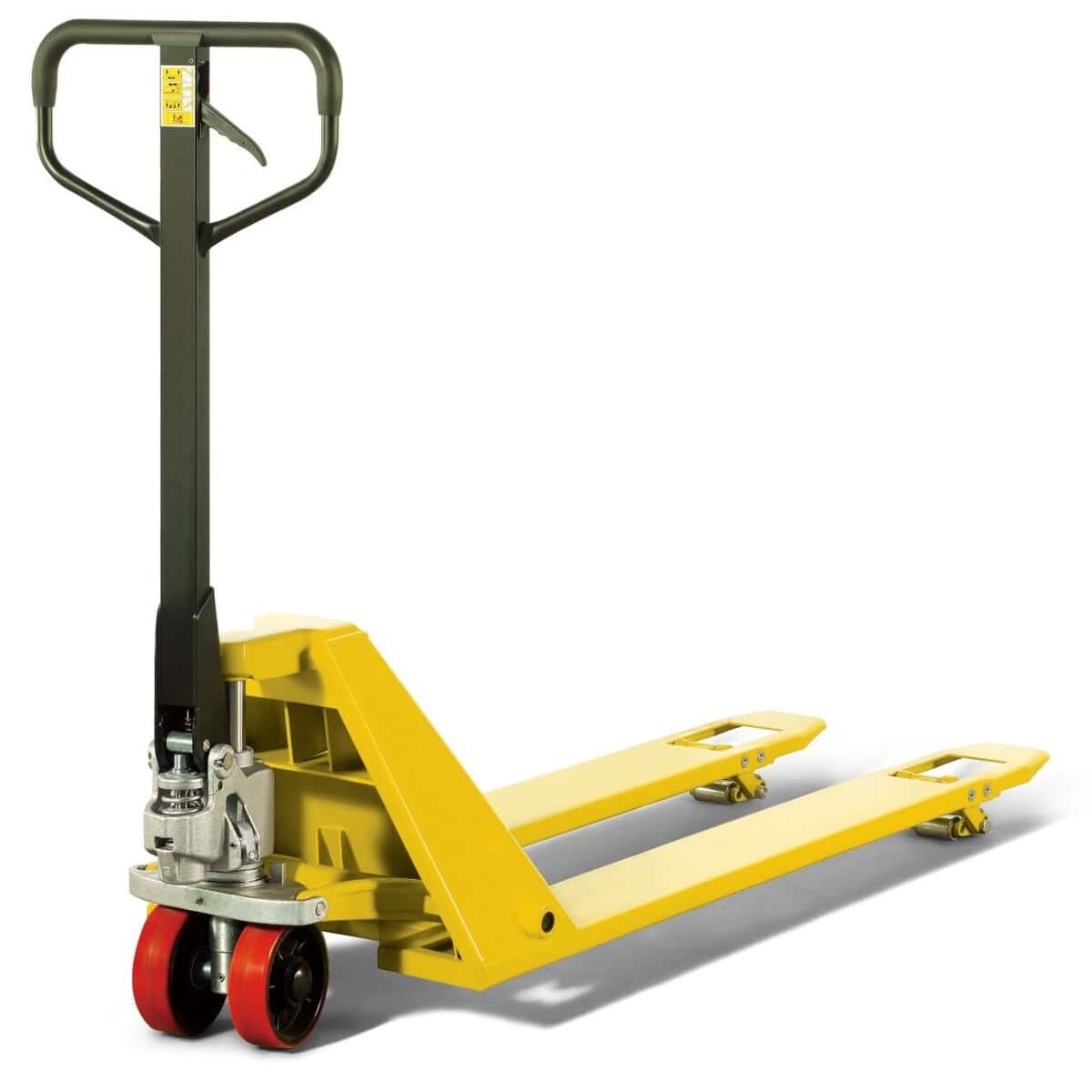
At its core, a pallet truck, often referred to as a pallet jack or hydraulic hand truck, is a wheeled trolley designed to lift and move pallets. It achieves this by sliding two forks underneath a pallet and then lifting it slightly off the ground using a hydraulic pump mechanism. This simple design allows a single operator to transport heavy loads with relative ease, preventing manual strain and potential injuries.
The necessity of pallet trucks extends far beyond mere convenience. They are fundamental tools for operational efficiency, significantly reducing the time and effort required to move goods. In busy environments, the speed and maneuverability offered by a pallet truck ensure that products flow smoothly from receiving docks to storage areas or directly to customer pickup points. This directly translates into improved turnaround times and enhanced customer satisfaction.
Moreover, pallet trucks play a critical role in workplace safety. By providing a mechanical means to lift and transport heavy items, they minimize the risk of back injuries, strains, and other accidents associated with manual lifting. Investing in the right pallet truck is, therefore, an investment in both productivity and the well-being of your workforce.
Exploring the Diverse Types of Pallet Trucks For Sale: A Deep Dive
The market for pallet trucks for sale is rich with variety, each type engineered to meet specific operational demands. Understanding these differences is crucial for selecting a model that aligns perfectly with your business needs.
1. Manual Pallet Trucks (Hand Pallet Jacks)
The manual pallet truck is arguably the most common and recognizable type. Operated entirely by human power, it relies on a hydraulic pump system activated by pumping the handle to lift the forks, and a release lever to lower them. Movement is achieved by manually pushing or pulling the truck.
How They Work: An operator slides the forks under a loaded pallet. Pumping the handle engages the hydraulic cylinder, raising the forks a few inches off the ground. The load is then pushed or pulled to its destination, and the release lever gently lowers the pallet.
Pros:
- Affordability: Manual pallet trucks are significantly less expensive than their electric counterparts, making them an excellent choice for businesses with tighter budgets.
- Simplicity and Reliability: With fewer moving parts and no complex electronics, they are incredibly robust and require minimal maintenance.
- No Power Source Needed: They operate without electricity or fuel, offering complete portability and independence from charging stations.
- Low Maintenance: Routine checks and occasional lubrication are generally all that’s needed to keep them in top working order.
Cons:
- Labor-Intensive: Moving heavy loads over long distances or up inclines can be physically demanding for the operator.
- Limited Capacity: While they can handle substantial weight, the maximum load is often lower than electric models, and moving very heavy loads requires considerable effort.
- Slower Operation: Material handling takes longer compared to powered options, potentially impacting efficiency in high-volume environments.
Ideal Use Cases: Manual pallet trucks are perfect for small warehouses, retail stores, workshops, and delivery trucks where loads are relatively light to medium, distances are short, and usage is intermittent. They are also excellent as backup units or for tasks requiring precise, slow movements.
2. Electric Pallet Trucks (Powered Pallet Jacks)
Stepping up in terms of capability and convenience, electric pallet trucks, also known as powered pallet jacks, utilize a battery-powered motor to assist with both lifting and propulsion. These machines significantly reduce operator fatigue and boost efficiency, especially when dealing with heavier loads or longer travel distances.
How They Work: An electric motor drives the wheels, allowing the truck to move forward and backward with minimal effort from the operator. Another electric motor, often integrated with a hydraulic pump, handles the lifting and lowering of forks. They are controlled via a tiller handle, which often includes speed controls, horn, and emergency stop buttons.
Types of Electric Pallet Trucks:
- Walkie Pallet Trucks: The operator walks behind or alongside the truck, guiding it with the tiller handle.
- Rider Pallet Trucks: Designed for longer distances and higher throughput, these include a platform or seat for the operator to stand or sit on.
Pros:
- Reduced Labor: Operators experience significantly less physical strain, leading to higher productivity and fewer fatigue-related injuries.
- Higher Efficiency: Faster travel speeds and effortless lifting mean more pallets can be moved in less time.
- Increased Capacity: Electric models generally boast higher weight capacities compared to manual versions, handling heavier loads with ease.
- Suitable for Long Distances: Ideal for large warehouses or facilities where goods need to be transported across considerable distances.
Cons:
- Higher Initial Cost: Electric pallet trucks represent a larger upfront investment.
- Battery Maintenance and Charging: Requires dedicated charging stations and regular battery maintenance (watering, checking charge levels) to ensure longevity.
- Downtime for Charging: Batteries need to be recharged, leading to potential operational downtime if not managed effectively (e.g., using spare batteries).
Ideal Use Cases: These are the workhorses of large distribution centers, manufacturing plants, and high-volume retail environments where efficiency, speed, and continuous operation are paramount. If you’re moving many pallets daily or across extensive floor spaces, an electric pallet truck is likely your best bet.
3. Rough Terrain Pallet Trucks
When your material handling needs extend beyond smooth warehouse floors, rough terrain pallet trucks become indispensable. These specialized units are built to navigate challenging outdoor environments, uneven surfaces, and construction sites with ease.
How They Work: Unlike standard pallet trucks, rough terrain models feature large, often pneumatic, wheels and a robust, reinforced frame. This design allows them to traverse gravel, dirt, grass, and uneven pavement without getting stuck or damaging the load. They often have higher ground clearance and greater stability.
Pros:
- Handles Uneven Surfaces: Specifically designed for outdoor use and challenging ground conditions where standard pallet trucks would fail.
- Increased Durability: Constructed with heavy-duty materials to withstand harsh environments.
- Versatility: Can be used in a variety of settings from construction sites to farms and outdoor storage yards.
Cons:
- Specialized Use: Not typically suited for indoor, confined spaces due to their larger size and reduced maneuverability.
- Higher Cost: Their specialized design and robust construction come with a higher price tag.
- Less Maneuverable Indoors: The larger wheels and wider stance make them less agile in tight indoor aisles.
Ideal Use Cases: Perfect for lumberyards, construction sites, nurseries, agricultural settings, and outdoor events where pallets need to be moved across unpaved or irregular surfaces.
4. Scissor Lift Pallet Trucks
Scissor lift pallet trucks offer a unique dual functionality: they transport pallets and also elevate them to a comfortable working height. This makes them incredibly valuable for tasks like loading and unloading workbenches, feeding machinery, or ergonomic order picking.
How They Work: Similar to a standard pallet truck for transport, but with an added scissor mechanism beneath the forks. Once the pallet is transported to its desired location, the hydraulic system can be engaged to raise the forks significantly higher than a standard pallet jack, typically up to waist height or more. Some models are manual, while others are electric.
Pros:
- Ergonomic Benefits: Lifts loads to an ergonomic working height, reducing bending and straining for operators.
- Dual Functionality: Combines the ability to transport pallets with the convenience of a lift table.
- Improved Safety: Reduces the risk of injuries associated with repetitive bending or lifting from the floor.
Cons:
- Limited Mobility When Elevated: For safety reasons, most scissor lift pallet trucks should not be moved when the forks are fully raised.
- Capacity Limitations: While they lift higher, their lifting capacity might be slightly less than dedicated heavy-duty pallet trucks.
Ideal Use Cases: Assembly lines, packing stations, workshops, and anywhere goods need to be lifted to a specific height for processing, inspection, or packing.
5. Weighing Scale Pallet Trucks
For businesses that require precise weight measurements during the material handling process, weighing scale pallet trucks offer an integrated solution. These trucks combine transport capabilities with an accurate digital scale.
How They Work: These pallet trucks incorporate a digital weighing scale directly into the forks. As the pallet is lifted, its weight is displayed on a digital screen, often located on the handle or a separate console. This allows for immediate weighing without needing to transfer the pallet to a separate floor scale.
Pros:
- Time-Saving: Eliminates the need to move pallets to a separate weighing station, streamlining workflows.
- Increased Accuracy: Provides immediate and accurate weight measurements at the point of lifting.
- Efficiency: Ideal for shipping/receiving, inventory management, and quality control processes.
Cons:
- Added Cost: The integrated weighing technology makes these models more expensive than standard pallet trucks.
- Calibration Needs: The scale requires periodic calibration to maintain accuracy.
- Battery Power for Scale: The digital display and scale require battery power, which needs to be managed.
Ideal Use Cases: Warehouses, shipping departments, logistics companies, and manufacturing facilities where goods need to be weighed frequently and efficiently for inventory, shipping, or quality control purposes.
6. Low Profile Pallet Trucks
Some specialized pallets, often used in international shipping or with unique machinery, have extremely low clearances. Standard pallet truck forks might not fit underneath them. This is where low profile pallet trucks come into play.
How They Work: These pallet trucks are designed with significantly thinner and lower forks than conventional models. This reduced fork height allows them to slide underneath pallets or skids that have minimal ground clearance.
Pros:
- Handles Low-Clearance Pallets: Specifically designed for pallets that standard trucks cannot access.
- Specialized Solution: Provides a solution for niche material handling challenges.
Cons:
- Limited Versatility: Primarily useful only for low-profile pallets; not always necessary for standard operations.
- Potentially Lower Capacity: The thinner forks might slightly reduce the overall weight capacity compared to standard models.
Ideal Use Cases: Facilities dealing with specialized European pallets (often thinner), custom skids, or specific machinery that requires very low fork entry.
Key Factors to Consider When Looking for Pallet Trucks For Sale
Once you understand the different types, it’s time to narrow down your choices based on specific operational needs. Based on my experience in the material handling industry, neglecting these factors can lead to purchasing equipment that is either insufficient or over-specified for your requirements.
1. Capacity: How Much Weight Will it Lift?
The most critical factor is the maximum weight a pallet truck can safely lift. Always assess the heaviest loads you anticipate moving.
- Pro Tip from us: Don’t just consider the average load; account for peak loads. It’s always better to have a little extra capacity than to consistently strain your equipment, which can lead to premature failure and safety hazards. Common capacities range from 2,000 lbs to 6,000 lbs (or 1,000 kg to 3,000 kg) for manual trucks, and often higher for electric models.
2. Fork Length and Width: Matching Your Pallets
Pallets come in various standard sizes (e.g., 48×40 inches in North America, or Euro pallets 1200x800mm). The forks of your pallet truck must be compatible with the dimensions of the pallets you use.
- Common mistakes to avoid are choosing forks that are too short (leading to instability) or too long (making maneuvering difficult in tight spaces). Measure your most common pallet sizes carefully before making a purchase.
3. Lift Height: Standard vs. High-Lift Needs
While most pallet trucks lift only a few inches off the ground for transport, some, like the scissor lift pallet trucks, can elevate loads to a working height.
- Consider if you need a standard transport lift or if you also require the ability to raise pallets for ergonomic tasks, loading shelves, or feeding machinery.
4. Wheel Material: Adapting to Your Floor Type
The material of the wheels significantly impacts maneuverability, floor protection, and noise levels.
- Nylon wheels: Durable, low rolling resistance, ideal for smooth concrete floors, but can be noisy and hard on floors.
- Polyurethane wheels: A good all-rounder, quieter than nylon, better floor protection, suitable for most indoor surfaces.
- Rubber wheels: Best for uneven or delicate floors, provides excellent grip and quiet operation, but can have higher rolling resistance.
- Based on my experience, using the wrong wheel material can cause premature wear on both the wheels and your flooring.
Consider the layout of your facility. Do you have wide-open spaces or narrow aisles and tight corners?
- Shorter fork lengths and smaller turning radii are crucial for confined areas. Electric pallet trucks often have better maneuverability due to power steering assistance.
6. Power Source (for Electric Pallet Trucks): Battery Life and Charging
For electric models, evaluate the battery type (e.g., lead-acid, lithium-ion), its run time per charge, and charging time.
- Pro Tip from us: If you plan for continuous operation, consider purchasing extra batteries or opting for models with quick-change battery compartments to minimize downtime. Ensure you have the necessary charging infrastructure in place.
7. Ergonomics and Safety Features
Operator comfort and safety are paramount. Look for features that enhance both.
- Ergonomics: Comfortable handle grips, adjustable tiller arms, and smooth controls reduce operator fatigue.
- Safety: Emergency stop buttons, horn, overload protection, safety guards, and braking systems are essential. Some electric models offer anti-rollback features on inclines.
8. Budget: New vs. Used Pallet Trucks
Your budget will naturally influence your decision. However, it’s vital to consider the long-term value.
- Common mistakes to avoid are solely focusing on the lowest price without considering durability, maintenance costs, and operational lifespan. Sometimes, a slightly higher initial investment in a quality new unit or a well-inspected used one can save money in the long run.
9. Vendor Reputation and After-Sales Support
Choose a reputable supplier who offers good warranties, readily available spare parts, and reliable after-sales service.
- Based on my experience, having access to professional maintenance and repair services is invaluable, especially for more complex electric models, ensuring minimal downtime and prolonged equipment life.
New vs. Used Pallet Trucks For Sale: Making the Right Investment
The decision between buying new or used pallet trucks for sale is often a balancing act between cost and reliability. Each option presents its own set of advantages and drawbacks.
Buying New Pallet Trucks:
- Benefits: You get the latest technology, full manufacturer’s warranty, guaranteed condition, and often better financing options. New equipment typically has a longer lifespan and requires less immediate maintenance.
- Drawbacks: The primary disadvantage is the higher initial purchase price.
Buying Used Pallet Trucks:
- Benefits: Significant cost savings, especially for smaller businesses or those with infrequent use. Used equipment can be a cost-effective way to expand your fleet.
- Drawbacks: Potentially no warranty, unknown history of maintenance and usage, wear and tear on components, and the risk of hidden defects.
- Pro Tip from us: When considering used pallet trucks, always insist on a thorough inspection by a qualified technician. Check the hydraulic system for leaks, the wheels for excessive wear, the frame for cracks or bends, and the battery (for electric models) for its health and capacity. A detailed service history is a huge plus.
Essential Maintenance Tips to Extend the Life of Your Pallet Truck
Proper maintenance is crucial for maximizing the lifespan and ensuring the safe operation of any pallet truck, regardless of whether you opted for new or used pallet trucks for sale. Neglecting maintenance can lead to costly repairs and operational downtime.
- Regular Visual Inspections: Operators should perform a quick check before each shift. Look for bent forks, worn wheels, loose bolts, hydraulic leaks, and damaged cables (on electric models). Report any issues immediately.
- Lubrication: Moving parts, especially axles, bearings, and pivot points, need regular lubrication to reduce friction and wear. Consult your owner’s manual for recommended lubrication points and schedules.
- Hydraulic System Checks: For both manual and electric hydraulic pallet jacks, regularly check the hydraulic fluid level and top it off as needed. Look for any signs of leaks around seals and hoses.
- Wheel and Bearing Care: Keep wheels clean and free of debris (shrink wrap, dust, string). Worn wheels can make the truck harder to push and can damage floors. Replace worn wheels promptly.
- Battery Maintenance (for Electric Pallet Trucks): This is paramount.
- Charging: Follow manufacturer guidelines for charging cycles. Avoid overcharging or deep discharging.
- Watering (for lead-acid batteries): Check electrolyte levels regularly and top up with distilled water when necessary, always after charging.
- Cleaning: Keep battery tops clean and dry to prevent corrosion.
- Handle and Control Checks: Ensure the handle operates smoothly, and all controls (lift, lower, speed, emergency stop) are fully functional.
Safety First: Operating Your Pallet Truck Responsibly
Even the simplest pallet truck is a piece of heavy machinery and requires responsible operation to prevent accidents.
- Operator Training: All operators must be properly trained on the specific model of pallet truck they will be using. This includes understanding its controls, capacity limits, and safe operating procedures.
- Load Stability: Always ensure loads are evenly distributed and securely stacked on the pallet. Never exceed the truck’s rated capacity. Use shrink wrap or straps to secure unstable loads.
- Clear Pathways: Keep aisles and pathways clear of obstructions. Be aware of pedestrians, other equipment, and potential hazards like uneven flooring or ramps.
- Proper Speed: Operate at a safe, controlled speed, especially when turning or navigating congested areas. Electric pallet trucks often have multiple speed settings; use the appropriate one for the conditions.
- Personal Protective Equipment (PPE): Depending on the environment, operators should wear appropriate PPE, such as safety shoes, gloves, and high-visibility clothing.
Where to Find Quality Pallet Trucks For Sale
When you’re ready to invest, knowing where to look for pallet trucks for sale is key.
- Specialized Material Handling Suppliers: These companies often carry a wide range of new pallet trucks from various brands, offering expert advice, maintenance services, and spare parts. Many also offer used or refurbished equipment.
- Equipment Dealerships: Forklift and industrial equipment dealerships frequently stock a selection of new and used pallet trucks. They often provide comprehensive support packages.
- Online Marketplaces: Websites like eBay, Amazon, or specialized industrial equipment platforms can offer competitive pricing, particularly for manual pallet trucks. However, due diligence is crucial, especially for larger or more complex electric models.
- Auctions: Industrial equipment auctions can be a source for used pallet trucks, but these are often "as-is" sales, requiring a keen eye for potential issues.
- Rental Companies: If your need is temporary or infrequent, consider renting a pallet truck. This allows you to try different models and avoids the upfront capital expenditure and long-term maintenance responsibilities.
Making Your Informed Decision
The world of pallet trucks for sale is diverse, offering solutions for nearly every material handling challenge. By thoroughly understanding the different types, carefully evaluating your specific operational needs, and prioritizing factors like capacity, maneuverability, and safety features, you can make an investment that truly enhances your productivity and bottom line.
Remember, the right pallet truck isn’t just a piece of equipment; it’s a vital component of an efficient, safe, and productive workplace. Take the time to research, compare options, and choose wisely. Your business will thank you for it.