Navigating the Market: Your Ultimate Guide to Reach Trucks For Sale
Navigating the Market: Your Ultimate Guide to Reach Trucks For Sale Typesruckssale.com
The modern warehouse is a symphony of motion, precision, and efficiency. At the heart of this intricate dance often stands a crucial piece of equipment: the reach truck. If you’re involved in logistics, warehousing, or inventory management, you know that optimizing space and maximizing productivity are paramount. This comprehensive guide is designed to be your definitive resource, whether you’re actively searching for reach trucks for sale or simply aiming to deepen your understanding of these indispensable machines.
We’ll delve deep into everything you need to know, from the fundamental mechanics of reach trucks to advanced buying considerations, operational best practices, and future technological trends. Our goal is to equip you with the knowledge to make informed decisions, ensuring your investment enhances your operations for years to come.
The Indispensable Role of Reach Trucks in Modern Warehousing
Before we dive into the specifics of finding reach trucks for sale, let’s clarify what makes these machines so vital. Often mistaken for standard forklifts, reach trucks are a specialized category of material handling equipment engineered for high-density storage environments. They are the workhorses of narrow aisles, designed to lift loads to impressive heights with exceptional stability and precision.
Their unique design allows the mast to "reach" forward, extending the forks beyond the outriggers to pick up or place pallets. This capability is what gives them their name and their unparalleled advantage in space-constrained warehouses. Without them, many high-bay, narrow-aisle storage systems simply wouldn’t be feasible.
What Exactly is a Reach Truck?
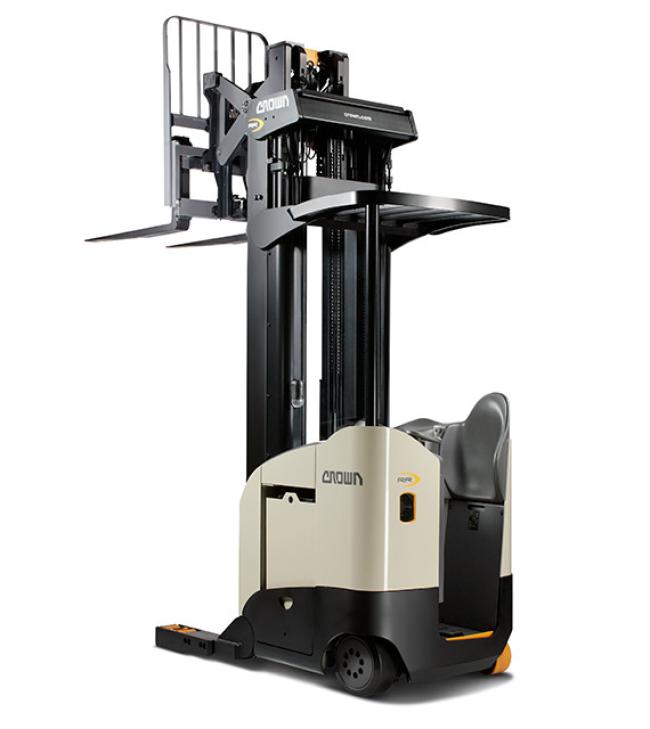
A reach truck is a motorized pallet truck with a telescopic mast that can extend forward. This allows the forks to reach into racking, making it ideal for picking and placing pallets in dense storage systems. Unlike counterbalanced forklifts, which carry the load in front of the machine, a reach truck places the load within its wheelbase once retracted, enhancing stability and maneuverability in tight spaces.
Their compact chassis and precise control systems enable operators to navigate aisles that would be impossible for larger forklifts. This design directly translates into more storage capacity within the same footprint, a significant advantage for businesses facing rising real estate costs. Essentially, they help you make the most of your vertical space.
Key Benefits of Using Reach Trucks
Integrating reach trucks into your operations offers a multitude of benefits that directly impact efficiency and profitability. Understanding these advantages is the first step in appreciating the value proposition when considering reach trucks for sale.
Space Optimization
Reach trucks are engineered for tight spaces. Their ability to operate in narrow aisles means you can install more racking and store more products in the same warehouse footprint. This directly translates to reduced overheads and increased storage capacity without the need for physical expansion.
Based on my experience in warehouse design, optimizing aisle width with reach trucks can increase storage density by as much as 30-50% compared to traditional counterbalance forklift operations. This is a game-changer for businesses dealing with high SKU counts or limited facility space.
High Lifting Capacity and Height
Despite their compact size, reach trucks are formidable lifting machines. They are designed to lift heavy loads to significant heights, often exceeding 10-12 meters (30-40 feet) and sometimes even higher. This capability allows businesses to utilize every inch of vertical space available in their warehouses.
Their robust mast designs and advanced hydraulic systems ensure stable and precise lifting, even with challenging loads at maximum elevation. This makes them indispensable for multi-level racking systems and automated storage and retrieval systems.
Enhanced Maneuverability
The unique chassis design and steering capabilities of reach trucks provide unparalleled maneuverability. They can pivot in tight turns and precisely position loads, which is critical in narrow aisles where every inch counts. This agility reduces the risk of product damage and speeds up material handling processes.
Pro tips from us: Always ensure operators are fully trained in tight-space maneuvering. Even with the best equipment, skilled operation is key to unlocking maximum efficiency and preventing accidents.
Improved Safety Features
Modern reach trucks come equipped with an array of advanced safety features designed to protect operators, pedestrians, and inventory. These include automatic braking systems, stability control, operator presence sensors, speed limiters, and advanced lighting packages. The design itself, with the load carried within the wheelbase, inherently offers better stability than many other forklift types.
Investing in a reach truck with up-to-date safety technology is not just a compliance issue; it’s an investment in your workforce and your operational continuity. A safer environment leads to fewer accidents, less downtime, and improved morale.
Increased Productivity
By combining speed, precision, and high lifting capabilities, reach trucks significantly boost overall warehouse productivity. Faster cycle times for picking and placing, reduced travel distances in narrow aisles, and the ability to handle a wider range of tasks contribute to a more efficient operation.
Operators can work more effectively and comfortably, especially with ergonomic designs, leading to less fatigue and sustained performance throughout shifts. This directly impacts throughput and order fulfillment rates.
Types of Reach Trucks: Finding Your Perfect Match
When exploring reach trucks for sale, you’ll encounter several variations, each designed for specific operational needs. Understanding these differences is crucial for selecting the model that best fits your warehouse environment and material handling tasks.
Stand-Up Reach Trucks
The stand-up reach truck is arguably the most common type you’ll find. Operators stand sideways within a protective compartment, offering excellent visibility in both directions (forward and reverse). This design is particularly advantageous in high-throughput operations where operators frequently mount and dismount the truck or need to quickly change direction.
Their open compartment allows for quick entry and exit, reducing fatigue during tasks requiring frequent movement. This type excels in environments with multiple short runs or rapid order picking, providing optimal maneuverability and operator awareness.
Sit-Down Reach Trucks
Sit-down reach trucks offer a conventional seating position, similar to a traditional forklift. These are often preferred for applications where operators spend extended periods on the truck, such as long-distance travel within a large warehouse or continuous stacking and retrieving operations. The seated position can enhance operator comfort and reduce fatigue over long shifts.
While they may not offer the same quick on/off capability as stand-up models, their ergonomic design is a significant advantage for sustained use. When considering reach trucks for sale for long-haul operations, a sit-down model might be the more comfortable and productive choice for your team.
Double Deep Reach Trucks
For maximum storage density, the double deep reach truck is an exceptional choice. These machines feature extended reach capabilities, allowing them to place pallets two deep into racking. This means fewer aisles are required for the same amount of storage, significantly increasing floor space utilization.
The trade-off is that accessing the rear pallet requires moving the front one, which can impact selectivity. However, for homogeneous products or bulk storage, the space-saving benefits are often unparalleled. If maximizing every cubic foot of your warehouse is a priority, a double deep model should be high on your list when looking for reach trucks for sale.
Multi-Directional Reach Trucks
Multi-directional reach trucks are specialized machines designed for handling long and awkward loads, such as timber, piping, or sheet metal. Unlike standard reach trucks that primarily move forward and backward, these models can also move sideways, diagonally, or even spin on their own axis. This unique capability makes them indispensable for warehouses dealing with non-standard pallet sizes or elongated materials.
Their ability to navigate tight spaces with long loads drastically reduces the risk of damage to products and infrastructure. If your inventory includes items that don’t fit standard pallet dimensions, a multi-directional reach truck offers unmatched versatility.
Factors to Consider When Looking for Reach Trucks For Sale
Purchasing a reach truck is a significant investment that requires careful consideration. To ensure you select the right machine for your operations, it’s essential to evaluate several key factors. Skipping any of these steps could lead to inefficiencies or costly mistakes down the line.
Application and Environment
The specific environment and intended application of the reach truck are paramount. What are your aisle widths? What is your maximum ceiling height? Are your floors smooth and level, or do they have minor imperfections? Reach trucks are primarily designed for indoor, smooth-surface operations. Using them outdoors or on uneven surfaces can lead to instability, wear, and safety hazards.
Consider the ambient temperature as well. While most are electric, extreme cold or heat can affect battery performance and hydraulic systems. Clearly defining your operational environment will narrow down your options significantly.
Load Capacity and Lift Height
These are fundamental specifications. You need to precisely match the reach truck’s rated capacity and maximum lift height to your heaviest loads and highest racking levels. Always factor in a safety margin; never operate a truck at its absolute maximum capacity or height if it’s a regular occurrence. Overloading can cause severe damage, compromise stability, and pose serious safety risks.
Pro tips from us: Don’t just consider the maximum weight. Also, think about the load center. A pallet’s weight distribution affects the truck’s stability and effective capacity. Consult the load chart for precise figures.
Power Source
Virtually all reach trucks are electric, powered by industrial batteries. When evaluating reach trucks for sale, consider the battery type (e.g., lead-acid, lithium-ion), its capacity (Ah), and your charging infrastructure. Lithium-ion batteries offer faster charging, longer life, and consistent power output, but come with a higher upfront cost.
Lead-acid batteries are more affordable initially but require specific charging protocols and maintenance. Ensure you have adequate ventilation for lead-acid battery charging areas and the necessary charging equipment.
New vs. Used Reach Trucks
The decision between a new or used reach truck often comes down to budget and long-term strategy.
- New Reach Trucks: Offer the latest technology, full manufacturer warranties, and guaranteed performance. They typically come with advanced safety features, better energy efficiency, and lower initial maintenance needs. The higher upfront cost is offset by reliability and peace of mind.
- Used Reach Trucks: Can be a highly cost-effective option, especially for smaller businesses or those with less intensive usage requirements. However, they come with potential risks.
Common mistakes to avoid when buying used are neglecting a thorough inspection, not verifying the maintenance history, and failing to account for potential repair costs. Always request service records and, if possible, have an independent mechanic inspect the unit. A seemingly good deal can quickly turn into a money pit if critical components are near end-of-life.
Ergonomics and Operator Comfort
Operator comfort directly impacts productivity and safety. Look for features like adjustable seats (for sit-down models), adjustable control consoles, cushioned floor mats, and intuitive controls. Good visibility through the mast and overhead guard is also critical. A comfortable operator is a productive and safe operator.
Modern reach trucks often include sophisticated ergonomic designs that minimize strain and fatigue, especially during long shifts. This investment in operator well-being pays dividends in reduced errors and improved efficiency.
Safety Features
Beyond basic safety, modern reach trucks boast advanced systems. Look for features like dynamic stability systems, automatic speed reduction around corners, pedestrian detection sensors, telematics for monitoring usage and impact, and specialized lighting. These features are not luxuries; they are crucial components of a safe and efficient operation.
Always ensure the reach truck complies with local safety regulations and standards, such as those set by OSHA in the U.S. .
After-Sales Support and Parts Availability
A reach truck is a complex machine that will inevitably require service and parts. Evaluate the dealer’s reputation for after-sales support, service response times, and the availability of genuine parts. A good service agreement can be invaluable, ensuring minimal downtime and extending the lifespan of your investment.
Pro tips from us: Before finalizing a purchase, ask about warranty terms, preventative maintenance plans, and the typical lead time for critical spare parts. This foresight can save you significant headaches in the future.
Once you’ve identified your specific needs, the next step is navigating the market. This involves budgeting, finding reputable suppliers, and conducting thorough inspections.
Budgeting and Financing Options
Determine your budget early on. Beyond the purchase price, consider operational costs (electricity, maintenance, parts), operator training, and insurance. Financing options for reach trucks for sale typically include outright purchase, leasing, or rental.
- Purchasing: Gives you full ownership and potential depreciation benefits.
- Leasing: Offers lower monthly payments, potential tax advantages, and the flexibility to upgrade equipment regularly.
- Renting: Ideal for short-term needs, seasonal peaks, or when you need a temporary replacement, without the long-term commitment.
Consult with a financial advisor to determine the best option for your business’s cash flow and tax situation.
Reputable Dealers and Brands
Choosing a reputable dealer is as important as choosing the right truck. Look for dealers with established track records, positive customer reviews, and factory-trained technicians. They should offer a range of brands and be knowledgeable about the different models and their applications.
Some of the leading brands in the reach truck market include Crown, Raymond, Hyster, Yale, and Toyota. While brand preference can be subjective, these manufacturers are known for their quality, innovation, and extensive dealer networks. A good dealer will provide transparent pricing, comprehensive support, and honest advice.
Inspecting a Reach Truck (Especially Used)
For used reach trucks for sale, a meticulous inspection is non-negotiable.
- Mast and Forks: Check for bends, cracks, or excessive wear. Ensure smooth operation of the mast stages and carriage.
- Tires: Inspect for significant wear, chunking, or flat spots.
- Battery: Look for corrosion, leaks, or swelling. If possible, test its charge retention. For lead-acid, check water levels and specific gravity.
- Hydraulics: Inspect for leaks around cylinders, hoses, and fittings. Test all hydraulic functions (lift, lower, reach, tilt) for smooth and consistent operation.
- Controls: Ensure all controls (joysticks, buttons, steering) are responsive and free of excessive play.
- Safety Features: Test lights, horn, emergency stop button, and any other installed safety systems.
Pro tips from us: Always request to see the truck operate under a load during the inspection. This reveals how it performs under real-world conditions and can highlight issues not apparent during a static check.
Negotiation Tips
When negotiating for reach trucks for sale, don’t be afraid to ask for extras. This could include a full tank of fuel (if applicable), a new battery, an extended warranty, operator training, or a service agreement. Be prepared to walk away if the deal doesn’t feel right. Comparison shopping with multiple dealers can also give you leverage.
Operating and Maintaining Your Reach Truck for Longevity and Performance
Once you’ve acquired your reach truck, proper operation and maintenance are key to maximizing its lifespan, ensuring safety, and optimizing performance.
Operator Training and Certification
This is non-negotiable. All operators must be properly trained and certified according to regulatory standards. This includes theoretical knowledge, practical skills testing, and understanding specific warehouse procedures. Untrained operators are a major cause of accidents and damage.
Regular refresher training is also essential to reinforce best practices and keep operators updated on any new safety protocols or equipment features. A well-trained workforce is your first line of defense against operational risks.
Daily Checks and Preventative Maintenance
Implement a rigorous daily inspection routine. Before each shift, operators should check:
- Battery charge and connections.
- Tire condition and pressure.
- Hydraulic fluid levels and for any leaks.
- Functionality of lights, horn, and safety devices.
- General condition of forks, mast, and overhead guard.
Beyond daily checks, a scheduled preventative maintenance program, ideally managed by a certified technician, is crucial. This includes routine lubrication, filter changes, hydraulic system checks, and electrical system diagnostics. This proactive approach identifies potential issues before they become costly breakdowns.
Common Maintenance Issues and How to Avoid Them
Based on my experience, some common issues with reach trucks include battery degradation, hydraulic leaks, and electrical system faults.
- Battery Degradation: Often caused by improper charging practices (e.g., opportunity charging lead-acid batteries too frequently, not watering lead-acid batteries). Always follow manufacturer guidelines for charging and maintenance.
- Hydraulic Leaks: Can be due to worn seals, damaged hoses, or loose fittings. Regular visual inspections and prompt repair of minor leaks prevent major system failures.
- Electrical Faults: Can arise from loose connections, frayed wiring, or component wear. Keeping the truck clean and dry, and regular checks of electrical systems, can mitigate these.
Investing in a good maintenance program not only extends the life of your reach truck but also ensures consistent performance and minimizes costly downtime.
Future Trends in Reach Truck Technology
The material handling industry is constantly evolving, and reach trucks are no exception. Staying abreast of emerging trends can help you make future-proof decisions when considering reach trucks for sale.
Automation and Robotics
The future of warehousing is increasingly automated. Reach trucks are at the forefront of this transformation, with many manufacturers developing or already offering automated guided vehicles (AGVs) and autonomous mobile robots (AMRs) based on reach truck platforms. These systems can operate independently, navigating warehouses, picking, and placing pallets with precision, especially in repetitive tasks.
While fully autonomous reach trucks are still a significant investment, semi-autonomous features like automatic aisle navigation and load positioning are becoming more common, enhancing efficiency and reducing operator fatigue.
Telemetry and Data Analytics
Advanced telematics systems are becoming standard on new reach trucks. These systems collect vast amounts of data on usage, impacts, battery life, and operational efficiency. This data can be analyzed to identify inefficiencies, optimize routes, predict maintenance needs, and improve operator performance.
Proactive use of telemetry can lead to significant cost savings, improved safety records, and better asset utilization. It provides an unprecedented level of insight into your material handling operations.
Energy Efficiency
With growing environmental concerns and rising energy costs, manufacturers are continually innovating to improve energy efficiency. This includes more efficient motors, regenerative braking systems that capture energy during deceleration, and advanced battery management systems. Lithium-ion batteries, with their higher energy density and faster charging, are also playing a significant role in making reach trucks more sustainable.
When evaluating reach trucks for sale, inquire about their energy consumption ratings and available eco-friendly features.
Conclusion: Making the Smart Choice for Reach Trucks For Sale
The decision to acquire a reach truck is a strategic one, impacting your warehouse’s efficiency, safety, and bottom line. By understanding the different types, carefully considering your specific needs, evaluating new versus used options, and prioritizing after-sales support, you can make an informed choice that propels your operations forward.
Remember, a reach truck is more than just a piece of equipment; it’s an integral part of your supply chain ecosystem. Investing wisely in the right model, ensuring proper training, and committing to diligent maintenance will unlock its full potential, transforming your storage capabilities and driving productivity for years to come. Start your search today with confidence, armed with the knowledge to select the perfect reach truck for your business needs.