Navigating the Market: Your Ultimate Guide to Finding the Perfect Fork Trucks For Sale
Navigating the Market: Your Ultimate Guide to Finding the Perfect Fork Trucks For Sale Typesruckssale.com
The heartbeat of countless warehouses, construction sites, and logistics operations relies heavily on one indispensable piece of equipment: the fork truck. Also known as forklifts, these powerful machines are the backbone of material handling, capable of lifting, moving, and stacking heavy loads with precision and efficiency. Whether you’re upgrading an existing fleet or making your first purchase, the decision to invest in fork trucks for sale is a significant one that directly impacts productivity, safety, and your bottom line.
This comprehensive guide is designed to be your trusted resource, cutting through the complexities of the market to help you make an informed decision. We’ll delve deep into everything you need to know, from understanding different types and fuel options to crucial inspection tips and the best places to find reputable dealers. Our goal is to equip you with the knowledge to select a fork truck that not only meets your operational demands but also offers long-term value and reliability.
1. Understanding Your Operational Needs: The Foundation of Your Search
Before you even begin browsing fork trucks for sale, the most critical step is to thoroughly assess your specific operational requirements. This isn’t just about what you think you need, but a detailed analysis of your working environment, the types of loads you handle, and the tasks your new equipment will perform daily. Skipping this foundational step can lead to costly mistakes and an unsuitable purchase.
What Will the Fork Truck Be Used For?
Consider the primary application. Will it be operating indoors within a warehouse, navigating tight aisles, or primarily outdoors on uneven terrain? Perhaps it’s for a combination of both. The environment dictates specific features and durability requirements.
For instance, a forklift used exclusively in a food processing plant will have different sanitation and material requirements than one lifting lumber at a sawmill. Defining the core function helps narrow down your options significantly.
Determining Load Capacity and Lift Height
The maximum weight your fork truck needs to lift, known as its load capacity, is paramount. Overloading a forklift is incredibly dangerous and can lead to severe accidents and equipment damage. Always factor in a safety margin beyond your heaviest anticipated load.
Equally important is the maximum lift height required. Measure the tallest racking, truck bed, or storage area the forklift will need to reach. Ensure there’s enough clearance for both the mast and the load.
The physical dimensions of your workspace are a huge determinant. Measure your aisle widths, doorway heights, and any other spatial constraints. This will dictate the type of forklift that can operate efficiently without causing damage or safety hazards.
Reach trucks, for example, excel in narrow aisles, while standard counterbalance forklifts require more turning space. Understanding these limitations upfront saves a lot of headaches later.
Choosing the Right Fuel Type: A Critical Decision
Forklifts come with various power sources, each with distinct advantages and disadvantages. Your operating environment, budget, and environmental considerations will guide this choice.
Electric Forklifts: These are ideal for indoor use, particularly in food, pharmaceutical, or clean manufacturing environments, as they produce zero emissions. They are quieter, require less maintenance (no engine oil changes), and offer lower operating costs due to electricity being cheaper than fuel. However, they require charging stations and have limited run times per charge.
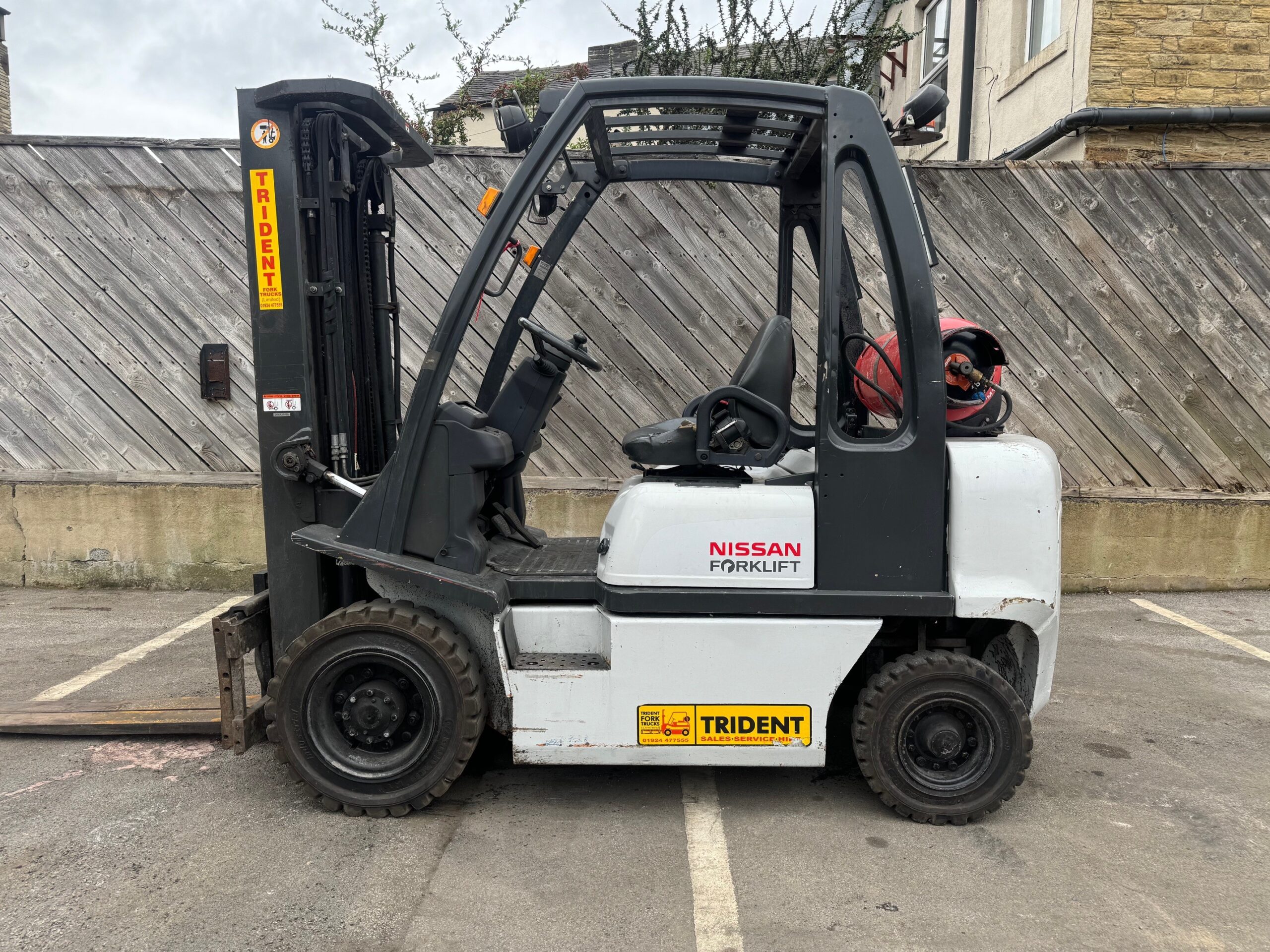
LP Gas (Propane) Forklifts: Highly versatile, LP gas forklifts can operate both indoors (with proper ventilation) and outdoors. They offer consistent power throughout their fuel tank life and are quick to refuel by simply swapping out a propane cylinder. They are often a good middle-ground solution, providing a balance of power and environmental consideration.
Diesel Forklifts: Primarily used outdoors, diesel forklifts are robust, powerful, and excel in heavy-duty applications and rough terrain. They are fuel-efficient for their power output but produce emissions, making them unsuitable for enclosed spaces. Maintenance costs can also be higher.
Gasoline Forklifts: Similar to LP gas in versatility, gasoline forklifts are generally used outdoors or in well-ventilated areas. They are easy to refuel but often have higher running costs than LP gas and produce more emissions. Some models are dual-fuel (gasoline/LP), offering flexibility.
Pro tips from us: Consider the availability of fuel or charging infrastructure at your facility. For operations running multiple shifts, an electric forklift might require extra batteries and a charging rotation strategy.
2. Exploring Types of Fork Trucks For Sale: Finding Your Perfect Match
The world of fork trucks is diverse, with specialized designs tailored for specific tasks and environments. Understanding the main categories available will significantly streamline your search for forklifts for sale. Each type has unique characteristics that make it suitable for particular applications.
Counterbalance Forklifts
These are perhaps the most common and recognizable type of forklift. They feature weights in the rear of the truck that counterbalance the load being lifted at the front. Counterbalance forklifts are highly versatile, available in electric, LP gas, diesel, and gasoline models, making them suitable for both indoor and outdoor use. They excel at general-purpose lifting, loading/unloading trucks, and moving pallets.
Based on my experience, a good quality counterbalance forklift is often the first machine any growing business invests in due to its versatility and robustness.
Reach Trucks
Designed specifically for narrow aisle operations, reach trucks can extend their forks forward beyond the outriggers, allowing them to "reach" into racking. They are predominantly electric and are crucial for optimizing storage space in high-density warehouses. Their ability to lift to extreme heights while maintaining maneuverability makes them invaluable for vertical storage solutions.
Pallet Jacks (Powered)
While not always considered a "fork truck" in the traditional sense, powered pallet jacks are essential for moving palletized loads over short distances at ground level. They are electric, highly maneuverable, and ideal for tasks like loading docks, retail backrooms, and short-haul internal transportation where lifting to height isn’t required. They offer an ergonomic alternative to manual pallet jacks.
Order Pickers
These specialized forklifts are designed to lift the operator along with the load, allowing them to manually pick individual items or cases from various heights in racking systems. Order pickers are crucial for e-commerce and distribution centers where efficient item-level picking is paramount. They significantly improve picking accuracy and speed.
Rough Terrain Forklifts
Built to withstand challenging outdoor environments, rough terrain forklifts feature large, pneumatic tires, powerful engines, and robust chassis. They are commonly found on construction sites, lumber yards, and agricultural settings where uneven surfaces, mud, and debris are common. Their primary purpose is to move heavy materials across difficult ground conditions.
Telehandlers (Telescopic Handlers)
Telehandlers are incredibly versatile machines that combine the functions of a forklift, a crane, and a work platform. They feature a telescopic boom that can extend forward and upward, allowing them to place loads in hard-to-reach places. With various attachments, they are indispensable on construction sites for tasks like framing, roofing, and general material handling, offering superior reach and lift capabilities.
Side Loaders
For handling long and awkward loads such as timber, pipes, or sheet metal, side loaders are the ideal choice. They load and unload from the side, allowing them to operate in very narrow aisles, making them highly efficient for storing elongated items without needing excessive turning space. They come in both multi-directional and standard side-loading configurations.
3. New vs. Used Fork Trucks For Sale: Making the Smart Choice
One of the most significant decisions you’ll face when looking for forklifts for sale is whether to invest in a brand-new unit or opt for a pre-owned machine. Both options present distinct advantages and disadvantages, and the "right" choice often depends on your budget, operational intensity, and risk tolerance.
The Advantages of New Forklifts
Purchasing a new fork truck comes with several compelling benefits. You’re getting the latest technology, often with improved fuel efficiency, enhanced safety features, and advanced ergonomics for operator comfort. New machines also come with a full manufacturer’s warranty, providing peace of mind against unexpected repairs and downtime during the initial ownership period.
Financing options are typically more favorable for new equipment, and you benefit from the full expected lifespan of the machine, ensuring reliability for years to come. The lower maintenance requirements in the early years can also translate to predictable operating costs.
The Appeal of Used Forklifts
Used fork trucks for sale offer a substantial cost saving upfront, making them an attractive option for businesses with tighter budgets or those just starting out. The immediate availability of used equipment can also be a major plus, especially if you need a machine quickly without waiting for manufacturing and delivery times. Furthermore, the significant depreciation often occurs in the first few years, meaning you’re buying a machine that has already taken its biggest hit in value.
Common mistakes to avoid are assuming all used forklifts are created equal. The market for used equipment varies wildly in quality and condition.
The Middle Ground: Refurbished and Reconditioned Forklifts
For those seeking a balance between cost savings and reliability, refurbished or reconditioned forklifts present an excellent alternative. These machines have undergone thorough inspections, repairs, and often component replacements (like batteries or engines) to bring them back to a high standard of operational readiness. Many reputable dealers offer warranties on their reconditioned units, providing a level of assurance not typically found with "as-is" used sales.
Based on my experience, a certified pre-owned or reconditioned forklift from a trusted dealer can offer incredible value, blending the affordability of used equipment with the reliability closer to that of a new machine. It’s often the sweet spot for many small to medium-sized businesses.
4. Key Considerations When Evaluating Fork Trucks For Sale
Once you’ve identified the type and age of fork truck you need, the next crucial step is a detailed evaluation. This goes beyond just the price tag and delves into the machine’s condition, reputation, and the support you can expect after purchase. Thorough due diligence at this stage will prevent future headaches and unexpected expenses.
Condition and Inspection (Especially for Used Models)
For used forklifts for sale, a comprehensive inspection is non-negotiable. Don’t rely solely on photos or a quick glance. Here’s what to meticulously check:
- Engine & Drivetrain: Look for leaks, strange noises, or excessive smoke. Check fluid levels and condition.
- Mast & Forks: Inspect for cracks, bends, or excessive wear. Ensure smooth operation of the mast lifting and tilting mechanisms.
- Tires: Check for significant wear, cracks, or damage. The type of tire (cushion, pneumatic, solid) should match your intended use.
- Battery (Electric): Test the battery’s charge retention and look for corrosion or damage. A dying battery can be a major hidden cost.
- Hydraulics: Inspect hoses, cylinders, and connections for leaks. Test all hydraulic functions (lift, tilt, side shift).
- Brakes: Ensure brakes are responsive and not excessively worn.
- Safety Features: Verify that lights, horn, alarms, seatbelts, and operator presence systems are all functional.
Pro tips from us: Always insist on a professional, third-party inspection for any significant used forklift purchase. An independent mechanic specializing in material handling equipment can uncover issues that might not be apparent to the untrained eye.
Brand Reputation and Parts Availability
Choosing a reputable brand like Toyota, Hyster, Yale, Crown, Mitsubishi, or Clark is often a wise decision. Established brands typically offer superior build quality, better resale value, and crucially, readily available spare parts and a strong dealer network. The ease of sourcing parts directly impacts your downtime should a repair be needed.
Maintenance History
For used fork trucks, a detailed maintenance history is invaluable. This record can reveal how well the machine was cared for, any recurring issues, and when major components were last serviced or replaced. A lack of maintenance records should raise a red flag.
Warranty and After-Sales Support
Even with used or reconditioned models, inquire about any warranty offered by the seller. Understand what is covered and for how long. Furthermore, evaluate the dealer’s after-sales support. Do they offer servicing, parts, and technical assistance? A strong support system is vital for minimizing downtime.
Safety Features and Regulatory Compliance
Ensure the forklift is equipped with essential safety features relevant to its age and type. Beyond the basics, consider advanced features like stability control, operator presence sensing, and comprehensive lighting. Always verify that the machine complies with local regulatory bodies, such as OSHA in the United States, to avoid fines and ensure a safe working environment.
Attachments and Customization
Think about any specialized attachments you might need, such as side shifters, fork positioners, carton clamps, or rotators. Some forklifts come pre-equipped, while others can be fitted post-purchase. Ensure the chosen model is compatible with the attachments crucial to your operations.
5. The Buying Process: Where to Find Fork Trucks For Sale
Once you have a clear understanding of your needs and the type of equipment you’re looking for, the next step is to explore the various avenues available for purchasing forklifts for sale. Each source offers different advantages in terms of selection, pricing, and support.
Authorized Dealerships
For both new and certified used equipment, authorized dealerships are often the safest bet. They offer manufacturer warranties, factory-trained technicians, genuine parts, and comprehensive after-sales support. While prices might be higher than private sellers, the peace of mind and reliability often justify the investment. Dealerships can also provide expert advice on models best suited for your specific applications.
Online Marketplaces and Classifieds
The internet has opened up a vast market for used fork trucks for sale. Websites like Forklift Trader, MachineryTrader, or even general classifieds like Craigslist and Facebook Marketplace can list numerous options from private sellers and smaller dealers. These platforms often offer competitive pricing, but buyer beware: due diligence on condition and seller reputation is paramount. Always inspect the machine in person before committing to a purchase.
Auctions
Industrial equipment auctions can be a treasure trove for finding forklifts for sale at potentially significant discounts. However, auctions are typically "as-is, where-is" sales, meaning there’s little to no warranty or recourse if issues arise after purchase. They are best suited for experienced buyers who can thoroughly inspect equipment on site and understand the risks involved.
Brokerage Firms
For specialized or hard-to-find equipment, a reputable brokerage firm can be an excellent resource. These firms act as intermediaries, leveraging their industry connections to source specific forklifts that meet your exact specifications. They can save you time and effort in your search, often providing access to a wider inventory than you might find on your own.
Direct from Businesses
Sometimes, businesses that are upgrading their fleet or closing down will sell their used forklifts directly. These opportunities might be found through local advertising, word-of-mouth, or industry networks. Buying direct can sometimes cut out dealer markups, but you’ll need to handle the inspection and transportation yourself.
Common mistakes to avoid are rushing into a purchase without verifying the seller’s credibility or failing to conduct a thorough pre-purchase inspection. Always get everything in writing and understand the terms of sale. Don’t be afraid to negotiate on price, especially for used equipment.
6. Financing and Budgeting for Your Fork Truck Purchase
Acquiring fork trucks for sale represents a significant capital expenditure, making a sound financial strategy absolutely essential. Beyond the sticker price, understanding the various financing options and the true total cost of ownership will help you make a fiscally responsible decision.
Outright Purchase
Paying cash upfront for your forklift offers the immediate benefit of avoiding interest payments and owning the asset outright. This can simplify accounting and provide full control over the equipment from day one. However, it ties up a large amount of capital that could potentially be used for other business investments.
Leasing Options
Leasing is a popular alternative to outright purchase, offering flexibility and potentially lower monthly payments.
- Operating Lease: Often preferred by businesses that want to upgrade their equipment frequently. You essentially "rent" the forklift for a set period, and at the end of the term, you can return it, upgrade to a newer model, or sometimes purchase it at its residual value. Payments are often tax-deductible as an operating expense.
- Financial Lease (Capital Lease): This option is more akin to a loan, with the intention of owning the forklift at the end of the lease term. You build equity with each payment, and the asset typically appears on your balance sheet. This is suitable if you plan to keep the forklift for its entire useful life.
Traditional Financing and Loans
Securing a loan from a bank or a specialized equipment finance company is another common method. This allows you to spread the cost over several years, making the purchase more manageable. Interest rates and terms will vary based on your creditworthiness and the loan provider. Always compare offers to find the most favorable terms.
Understanding Total Cost of Ownership (TCO)
The purchase price is just one component of owning a fork truck. To accurately budget, you must consider the Total Cost of Ownership (TCO), which includes:
- Purchase Price/Lease Payments: The initial outlay or recurring payments.
- Fuel/Energy Costs: Ongoing expenses for diesel, LP gas, gasoline, or electricity.
- Maintenance & Repairs: Scheduled servicing, preventative maintenance, and unexpected repairs.
- Tires & Wear Parts: Replacement costs for components that naturally wear out.
- Insurance: Coverage for damage, liability, and theft.
- Operator Training: Costs associated with ensuring your operators are certified and safe.
- Depreciation: The decline in the forklift’s value over time.
For a deeper dive into optimizing your fleet’s lifespan and managing these expenses effectively, you might find our article on incredibly useful. Understanding TCO helps you evaluate the long-term financial impact of your decision, revealing that a cheaper upfront purchase might be more expensive in the long run if maintenance costs are high.
7. Safety and Training: Post-Purchase Essentials
Your investment in fork trucks for sale doesn’t end with the purchase. Ensuring safe operation is paramount, not just for compliance but for protecting your employees, equipment, and facility. Proper training and a culture of safety are non-negotiable elements of responsible forklift ownership.
Comprehensive Operator Training
OSHA (Occupational Safety and Health Administration) and similar regulatory bodies globally mandate that all forklift operators must be trained and certified before operating any powered industrial truck. This training should cover:
- Machine-Specific Knowledge: Understanding the controls, capabilities, and limitations of the specific forklift model they will operate.
- Workplace-Specific Hazards: Identifying and mitigating risks unique to your facility, such as narrow aisles, blind spots, or pedestrian traffic.
- Load Handling: Proper lifting, lowering, stacking, and unstacking techniques to maintain stability.
- Safety Procedures: Daily pre-shift inspections, reporting malfunctions, and emergency protocols.
Retraining and evaluations are also typically required periodically or after an incident. Always prioritize safety; the Occupational Safety and Health Administration (OSHA) provides comprehensive guidelines for forklift operation, which you can review on their official website .
Daily Pre-Shift Inspections
Before each shift, operators should conduct a thorough visual and operational inspection of the forklift. This includes checking fluid levels, tire pressure, horn, lights, brakes, steering, and mast operation. Any defects or malfunctions should be reported immediately and addressed before the forklift is put into service. This proactive approach can prevent accidents and costly breakdowns.
Cultivating a Culture of Workplace Safety
Beyond individual operator training, foster a workplace culture where safety is everyone’s responsibility. Implement clear traffic rules, designate pedestrian walkways, use mirrors at blind intersections, and ensure proper lighting. Regular safety meetings and ongoing communication about best practices reinforce the importance of safe forklift operation.
Conclusion: Your Smart Investment in Fork Trucks For Sale
The journey to finding the perfect fork trucks for sale can seem daunting, but by breaking it down into manageable steps, you can make a decision that fuels your business’s success. From meticulously assessing your operational needs and exploring the diverse types of forklifts available to weighing the pros and cons of new versus used equipment, every choice impacts your efficiency, safety, and financial health.
Remember to prioritize a thorough inspection, especially for used models, and consider the long-term total cost of ownership rather than just the initial price. By partnering with reputable dealers and investing in comprehensive operator training, you’re not just buying a machine; you’re investing in a reliable, productive, and safe future for your operations. Equip yourself with knowledge, proceed with diligence, and you’ll find the ideal fork truck to elevate your material handling capabilities.