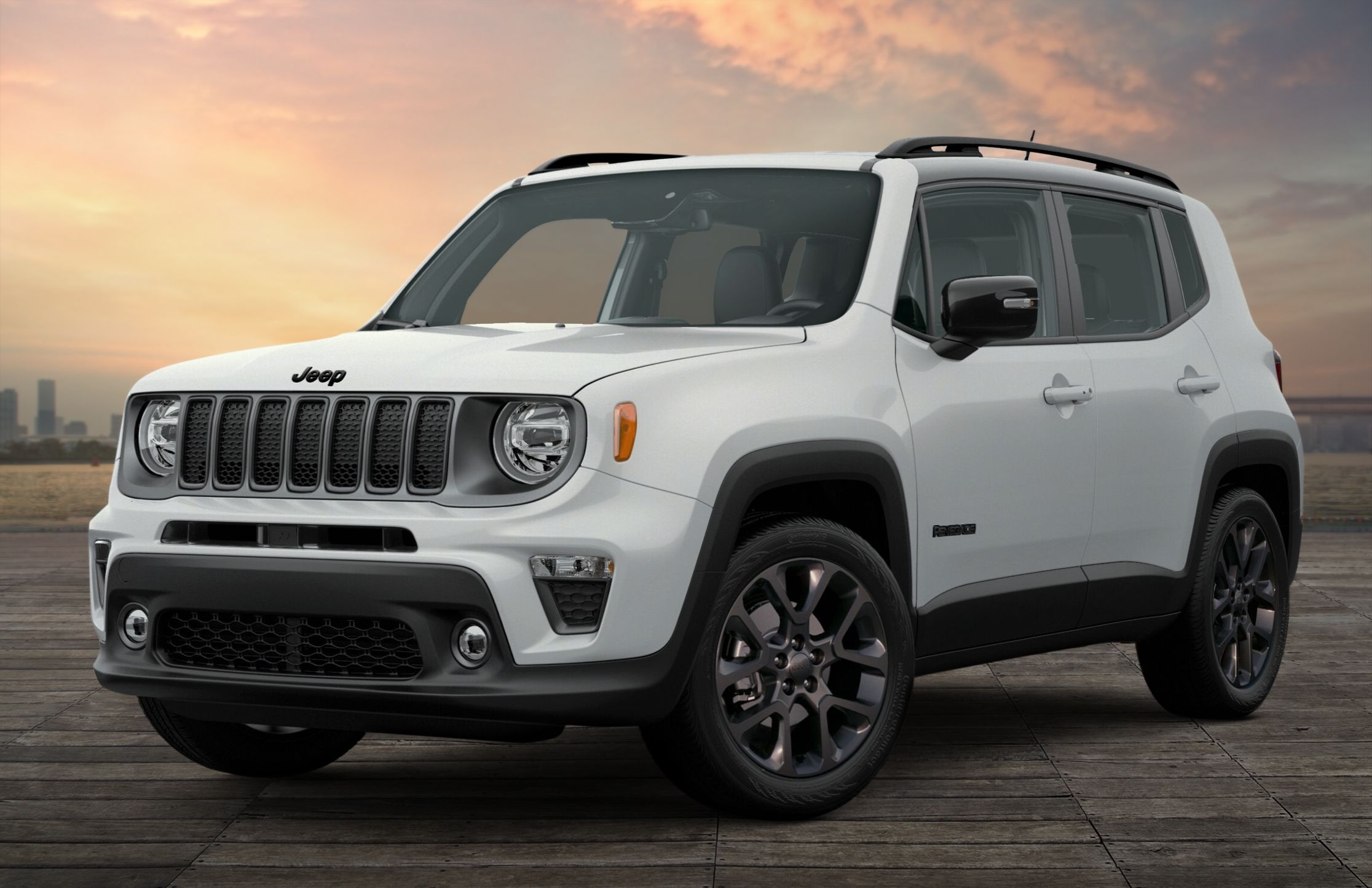
Jeep Wrangler Tow Bar For Sale: Your Ultimate Guide to Flat Towing Adventure
Jeep Wrangler Tow Bar For Sale: Your Ultimate Guide to Flat Towing Adventure typestruckssale.com
For the adventurous spirit who owns a Jeep Wrangler, the open road often leads to even more open trails. But what happens when those trails are hundreds or thousands of miles from home, and you prefer the comfort of your RV or motorhome for the journey? The answer, for many, lies in flat towing – a method where your Jeep Wrangler follows behind your primary towing vehicle with all four wheels on the ground. At the heart of this convenient setup is the Jeep Wrangler tow bar, an essential piece of equipment that transforms your rugged off-roader into the perfect travel companion.
A tow bar for a Jeep Wrangler is not just a piece of metal; it’s a gateway to extended adventures, offering unparalleled convenience for RVers, campers, and anyone looking to bring their off-road capability wherever they go. This comprehensive guide will delve into everything you need to know about Jeep Wrangler tow bars for sale, from understanding their function and types to crucial components, installation insights, and vital safety considerations, ensuring you make an informed decision for your next expedition.
Jeep Wrangler Tow Bar For Sale: Your Ultimate Guide to Flat Towing Adventure
Understanding Jeep Wrangler Tow Bars: What Are They?
At its core, a tow bar is a robust connecting device that links a towed vehicle (in this case, your Jeep Wrangler) to a towing vehicle (typically an RV, motorhome, or even a large truck). Unlike a trailer hitch, which is used for pulling a trailer with your Jeep, a tow bar is designed specifically for "flat towing" or "dinghy towing," where the towed vehicle rolls on its own four wheels. This method is incredibly popular among Jeep Wrangler owners due to the vehicle’s inherent 4×4 capabilities, which allow its transfer case to be placed in neutral, safely disengaging the drivetrain for towing without accumulating mileage or causing damage.
The primary function of a tow bar is to provide a secure, rigid, yet flexible connection that allows your Wrangler to track smoothly behind your RV, mimicking its turns and braking actions (when paired with a supplemental braking system). It eliminates the need for a bulky trailer, saving on fuel, storage space, and the hassle of maneuvering a second articulated unit.
Why Flat Tow Your Jeep Wrangler? The Benefits
The decision to flat tow your Jeep Wrangler with a dedicated tow bar comes with a multitude of advantages, especially for those with an RV lifestyle:
- Unparalleled Convenience: Imagine arriving at a campsite or a remote trailhead, unhitching your Jeep in minutes, and being ready to explore immediately. No need to unload from a trailer or worry about parking a large trailer.
- Cost-Effectiveness: Over time, flat towing is generally more economical than using a car hauler trailer. You save on trailer purchase/rental, maintenance, tire wear, and potentially higher fuel consumption associated with the added weight and wind resistance of a trailer.
- Reduced Wear and Tear: When flat towed correctly with the transfer case in neutral, your Jeep’s engine, transmission, and drivetrain are disengaged, meaning they don’t accumulate miles or experience wear during the journey. This preserves the life of your vehicle.
- Off-Road Accessibility: Your Wrangler is built for adventure. Flat towing ensures your capable off-road vehicle is always at your fingertips, ready to tackle challenging terrains or explore scenic byways inaccessible to your RV.
- Simpler Maneuvering: Without the added articulation point of a trailer, backing up or navigating tight spaces can be less challenging, though it’s generally advised not to back up with a flat-towed vehicle for extended distances.
Types of Jeep Wrangler Tow Bars: A Closer Look
When searching for a Jeep Wrangler tow bar for sale, you’ll encounter a few primary types, each with its own characteristics:
- Rigid (Fixed) Tow Bars: These are the simplest and often most affordable. They consist of a fixed A-frame or straight bar design. While robust and reliable, they require the towed vehicle to be perfectly aligned with the towing vehicle for hookup and can be less forgiving in uneven terrain. They are also less compact for storage when not in use.
- Folding/Collapsible Tow Bars: Designed for convenience, these tow bars feature arms that fold in when not in use, making them more compact for storage on the RV or within your vehicle. They often have a self-aligning feature that allows for easier hookup even if the vehicles aren’t perfectly aligned.
- Self-Aligning/Non-Binding Tow Bars: These represent the pinnacle of tow bar technology. They are designed with articulated arms that extend and retract, allowing for extremely easy connection even on uneven ground or when the vehicles are at an angle. Their "non-binding" feature means they can be easily disconnected even if there’s tension on the arms. While typically the most expensive, they offer the greatest ease of use and are ideal for frequent towers.
When choosing a type, consider how often you’ll be towing, your budget, and how much convenience you prioritize during hookup and storage.
Key Components and Accessories for Flat Towing a Jeep Wrangler
A tow bar is just one part of a complete flat towing system. To safely and legally tow your Jeep Wrangler, you’ll need several other crucial components:
- Base Plate: This is arguably the most critical accessory after the tow bar itself. A custom-fit base plate bolts directly to your Jeep Wrangler’s frame, providing the secure attachment points for the tow bar. Base plates are vehicle-specific, so ensure it matches your Wrangler’s year and model. Many require temporary removal of the front bumper for installation.
- Supplemental Braking System: This is not optional; it’s a legal and safety necessity in most regions. A supplemental braking system applies the brakes on your towed Jeep in conjunction with your RV’s brakes, significantly reducing stopping distances and preventing dangerous "jackknifing." Systems range from portable units placed on the floorboard (e.g., Brake Buddy, Patriot) to permanently installed systems (e.g., InvisiBrake, RViBrake).
- Wiring Harness/Lighting Kit: Your towed Jeep’s tail lights, brake lights, and turn signals must function in sync with your RV’s. A dedicated wiring harness connects the electrical systems, ensuring proper signaling for safety and legality.
- Safety Chains/Cables: These are required by law as a secondary connection between the towing and towed vehicles, providing a fail-safe in case the primary tow bar connection fails.
- Breakaway System: Often integrated with supplemental braking systems, a breakaway system will automatically apply the towed vehicle’s brakes if it somehow separates from the towing vehicle. This is a critical safety feature and a legal requirement in many areas.
- Drop Hitch/Rise Receiver: To ensure the tow bar operates optimally, it should be as level as possible between the RV’s hitch receiver and the Jeep’s base plate. A drop hitch or rise receiver is used to adjust the height accordingly.
- Covers and Accessories: From tow bar covers to protective boots for the base plate connections, these accessories help prolong the life of your equipment.
Choosing the Right Tow Bar for Your Jeep Wrangler: Important Considerations
Making the right choice involves more than just picking a type. Here are key factors to weigh:
- Jeep Model and Year: Always verify compatibility. Base plates are highly specific to your Wrangler’s generation (JK, JL, TJ, YJ, etc.) and sometimes even trim level.
- Gross Vehicle Weight Rating (GVWR) of Your Jeep: Your chosen tow bar’s weight capacity must exceed your Jeep’s GVWR. Check your Jeep’s door jamb sticker for its GVWR.
- Towing Vehicle (RV/Motorhome) Capacity: Crucially, your RV must have a towing capacity that safely exceeds your Jeep’s weight. Never exceed your RV’s stated towing limits.
- Ease of Connection/Disconnection: If you plan to unhitch frequently, a self-aligning, non-binding tow bar will save you a lot of time and effort.
- Storage: Consider where you’ll store the tow bar when not in use. Folding designs are more convenient.
- Budget: Prices vary significantly depending on the type, brand, and features. Factor in the cost of all necessary components, not just the tow bar itself.
- Legal Requirements: Research the towing laws in your state/province and any states you plan to travel through. Braking systems, lighting, and safety chains are almost universally required.
- Installation Complexity: While some components can be DIY, base plate installation often requires specialized tools and comfort with vehicle modification. Professional installation is often recommended for safety and peace of mind.
Installation and Setup: A Step-by-Step Overview
While detailed installation varies by product, here’s a general overview of setting up your flat towing system:
- Base Plate Installation: This is usually the most involved step. It typically requires removing the front bumper, possibly drilling, and securely bolting the base plate to the Jeep’s frame. Follow the manufacturer’s instructions precisely.
- Tow Bar Attachment: Once the base plate is on, the tow bar simply pins into the base plate arms and secures to your RV’s hitch receiver.
- Wiring the Lights: Install the wiring harness, routing cables from the front of the Jeep to its tail lights, connecting to the RV’s electrical system via a standardized plug.
- Braking System Setup: Install your chosen supplemental braking system according to its instructions. This might involve running air lines or electrical cables, or simply placing a portable unit on the floor.
- Safety Chains & Breakaway System: Connect the safety chains to both vehicles. If your braking system has a breakaway feature, ensure its cable is properly attached.
- Level Check: Use a drop or rise hitch if necessary to ensure the tow bar is level.
- Test Run: Before any long trip, perform a thorough test run in a safe, open area. Check all lights, ensure the brakes activate correctly, and listen for any unusual noises.
Maintenance Tips for Your Jeep Wrangler Tow Bar
Regular maintenance ensures the longevity and safety of your tow bar system:
- Inspect Regularly: Before and after each tow, visually inspect all components for signs of wear, cracks, rust, loose bolts, or damage. Pay close attention to pivot points, pins, and welds.
- Lubricate Moving Parts: Apply grease or appropriate lubricant to any pivot points, sliding parts, and pin connections as recommended by the manufacturer.
- Clean Thoroughly: Especially after off-road excursions or exposure to salt (coastal areas, winter roads), clean your tow bar and base plate to prevent corrosion.
- Proper Storage: When not in use, store your tow bar in a clean, dry place. If it remains on the RV, consider a protective cover.
- Check Electrical Connections: Ensure wiring harnesses are free of corrosion and damage. Use dielectric grease on electrical contacts.
Where to Find Jeep Wrangler Tow Bars For Sale
You have several excellent avenues to explore when looking for a Jeep Wrangler tow bar for sale:
- Online Retailers: Websites like etrailer.com, Amazon, and specialty RV/towing equipment sites offer a vast selection from various brands, often with detailed product descriptions, reviews, and installation videos.
- RV Dealerships and Accessory Stores: Local RV dealers often carry popular brands and can provide professional installation services.
- Off-Road and Jeep Specialty Shops: These stores cater specifically to Jeep owners and can offer expert advice on compatible base plates and heavy-duty options.
- Manufacturer Websites: Reputable brands like Blue Ox, Roadmaster, Demco, CURT, Smittybilt, and Rock Hard 4×4 have their own websites where you can browse their products and find authorized dealers.
- Used Market (with caution): While you might find deals on platforms like Craigslist or Facebook Marketplace, exercise extreme caution. Thoroughly inspect any used equipment for damage, wear, or undisclosed issues. Safety is paramount.
Price Table: Estimated Costs for a Complete Jeep Wrangler Flat Towing Setup
Please note that these prices are estimates and can vary significantly based on brand, features, current market conditions, and the specific year/model of your Jeep Wrangler. Professional installation costs are also highly variable.
| Component/Item | Description | Estimated Price Range (USD) | Common Brands/Notes |
|---|---|---|---|
| Tow Bar (Main Unit) | Rigid, Folding, or Self-Aligning design | $400 – $1,500+ | Blue Ox, Roadmaster, Demco, CURT |
| Base Plate | Vehicle-specific attachment to Jeep frame (essential) | $250 – $600 | Blue Ox, Roadmaster, Demco, Smittybilt, Rock Hard 4×4 |
| Supplemental Braking System | Proportional, portable, or permanently installed | $500 – $1,800+ | Brake Buddy, RViBrake, Patriot, InvisiBrake |
| Wiring Harness/Lighting Kit | Connects Jeep’s lights to RV’s electrical system | $100 – $300 | Roadmaster, Blue Ox, CURT, Hopkins |
| Safety Cables/Chains | Secondary connection for legal compliance and safety | $30 – $80 | Often included with tow bars, or generic options |
| Breakaway System | Applies brakes if tow bar detaches (often integrated with braking system) | Included with braking system or $50-$150 | Standalone units also available |
| Drop Hitch/Rise Receiver | Adjusts height to ensure tow bar is level | $50 – $150 | Varies by drop/rise amount; CURT, Andersen |
| Professional Installation | Labor cost for base plate, wiring, braking system (if not DIY) | $400 – $1,000+ | Varies by shop, complexity, and region |
| Total Estimated Cost | For a complete, new, and safely installed system | $1,730 – $6,000+ | Always get specific quotes for your exact needs. |
Frequently Asked Questions (FAQ) about Jeep Wrangler Tow Bars
Q: Can I flat tow any Jeep Wrangler?
A: Most 4×4 Jeep Wranglers (TJ, JK, JL, YJ generations) can be flat towed, provided they have a transfer case that can be shifted into "Neutral." Always consult your Jeep’s owner’s manual for specific flat towing instructions and limitations. 2WD Wranglers typically cannot be flat towed.
Q: Do I need a special braking system for my towed Jeep?
A: Yes, absolutely. A supplemental braking system is legally required in most jurisdictions and is critical for safety. It ensures your towed Jeep’s brakes engage when your RV brakes, significantly reducing stopping distances and preventing dangerous situations.
Q: How do I know what size/capacity tow bar I need?
A: The tow bar’s weight capacity must exceed your Jeep Wrangler’s Gross Vehicle Weight Rating (GVWR). You can find your Jeep’s GVWR on the sticker inside the driver’s side door jamb.
Q: Is it difficult to install a tow bar and base plate?
A: Installing the base plate often involves removing the front bumper and some drilling, which can be challenging for a novice. Wiring and braking systems also require some technical knowledge. While some DIYers tackle it, professional installation is often recommended for safety and peace of mind, especially for the base plate and electrical components.
Q: Can I use a standard trailer hitch on my RV to tow my Jeep?
A: Yes, a tow bar typically slides into a standard 2-inch receiver hitch on your RV. However, the tow bar itself is a specialized piece of equipment distinct from a ball hitch used for trailers.
Q: What’s the difference between a tow bar and a tow dolly?
A: A tow bar allows for "flat towing," where all four wheels of the Jeep are on the ground. A tow dolly lifts the front two wheels of the vehicle off the ground, leaving the rear two on the ground. For 4×4 Jeep Wranglers, flat towing is generally preferred and easier due to the ability to put the transfer case in neutral.
Q: Do I need to disconnect the driveshaft on my Wrangler for flat towing?
A: For 4×4 Jeep Wranglers with a neutral position on the transfer case, no. Shifting the transfer case into neutral effectively disengages the drivetrain, preventing mileage accumulation and wear. Always follow your Jeep’s owner’s manual instructions for flat towing.
Q: What maintenance is required for a tow bar?
A: Regular inspection for wear, damage, and loose connections is crucial. Lubricate moving parts periodically, keep it clean, and store it properly when not in use.
Q: Are there any legal requirements for flat towing?
A: Yes. Most states and provinces require a supplemental braking system for vehicles over a certain weight (which a Wrangler typically exceeds), functional lighting (tail lights, brake lights, turn signals), and safety chains or cables. Always research the specific laws in your area and any areas you plan to travel through.
Conclusion
Investing in a Jeep Wrangler tow bar for sale opens up a world of possibilities for the adventurous RVer. It’s the key to effortlessly bringing your capable off-road companion along for every journey, ensuring that no destination is out of reach. While the initial investment involves several components, the convenience, cost savings, and sheer enjoyment of having your Jeep ready for exploration far outweigh the effort.
By understanding the different types of tow bars, the essential accessory components, and the critical safety and legal considerations, you can make an informed decision and embark on your next adventure with confidence. Remember, safety always comes first, so prioritize quality components and, if in doubt, opt for professional installation. Happy trails, and happy flat towing!