Free Trucks On Craigslist: Unearthing Hidden Opportunities (and the Real Costs)
Free Trucks On Craigslist: Unearthing Hidden Opportunities (and the Real Costs) typestruckssale.com
The allure of "free" is powerful, especially when it comes to something as substantial as a truck. On platforms like Craigslist, the phrase "Free Truck" often pops up, catching the eye of aspiring mechanics, resourceful DIYers, and those simply looking for a bargain. But what does "free" truly mean in this context? Is it a golden ticket to a road-ready vehicle, or an invitation to a complex, often costly, project?
This comprehensive guide will demystify the world of "Free Trucks On Craigslist," exploring the realities behind these intriguing listings, how to navigate the search, the critical questions to ask, and the often-unseen costs and challenges involved. Whether you’re seeking a parts donor, a challenging restoration project, or just a way to save a few bucks, understanding the nuances of "free" is your first step towards a successful (and safe) acquisition.
Free Trucks On Craigslist: Unearthing Hidden Opportunities (and the Real Costs)
The Reality of "Free" Trucks on Craigslist
Before you envision yourself cruising down the highway in your newly acquired, no-cost pickup, it’s crucial to understand the true nature of "free" trucks on Craigslist. In almost all cases, "free" means one of two things:
- A Non-Running, Salvage, or Junk Vehicle: This is the most common scenario. The truck doesn’t run, has significant mechanical issues, is heavily damaged, or is simply too old and dilapidated to be worth selling. The owner wants it gone, and offering it for "free" is their way of avoiding disposal fees, clearing space in their yard, or getting rid of an eyesore.
- A "Parts Only" or "Scrap" Vehicle: The truck is no longer roadworthy, lacks a title, or is intended solely to be stripped for its components or sold for its metal weight.
Why Do People Offer Trucks for Free?
- Disposal Costs: Hauling a non-running vehicle to a junkyard often incurs fees. Giving it away for free offloads this expense onto the recipient.
- Space Reclamation: An old, broken-down truck takes up valuable driveway, garage, or yard space. Owners are often desperate to reclaim this area.
- Avoiding the Hassle of Selling: Selling a non-running vehicle, even for a low price, involves listing, answering questions, haggling, and dealing with potential buyers. Giving it away is quicker and simpler.
- Environmental Responsibility (and Convenience): Some owners prefer to see their old vehicle repurposed for parts or scrap rather than just sitting and decaying.
- Genuine Generosity (Rare): In very rare instances, an older, running vehicle might be offered for free, often by someone who just wants to help someone out or pass on a beloved, but no longer needed, possession. These are needles in a haystack.


Understanding these motivations is key to setting realistic expectations and approaching these listings with a pragmatic mindset.
Where to Find "Free" Trucks on Craigslist
Craigslist, despite its sometimes-outdated interface, remains a treasure trove for local listings. Here’s how to navigate it to find "free" trucks:
- The "Free" Section: This is your primary target. Under the "For Sale" or "Community" categories on your local Craigslist page, you’ll often find a dedicated "Free" section. Browse this regularly.
- "Farm & Garden": Older, work-horse trucks that are no longer needed on farms or large properties sometimes appear here, often with descriptions like "needs work" or "parts."
- "Auto Parts": Vehicles intended solely for parts might be listed here, especially if the owner is already stripping it down.
- Strategic Keyword Searches: Don’t just rely on the "Free" section. Use the search bar with terms like:
- "free truck"
- "junk truck"
- "project truck"
- "giveaway truck"
- "haul away truck"
- "parts vehicle"
- "needs gone"
- "abandoned truck"
- "old pickup"
- Check Daily: Good "free" listings, especially those with some potential, go fast. Set a routine to check Craigslist at least once or twice a day.

What to Look For (and Look Out For)
Even for a "free" item, due diligence is paramount. You’re still investing your time, effort, and potentially money (for towing, parts, etc.).
Key Information to Request from the Seller:
- Year, Make, Model: Essential for determining parts availability and potential value.
- Current Condition: Does it run? If not, what’s wrong? (e.g., "bad engine," "no transmission," "electrical issues").
- Reason for Giving Away: This can provide insight into the truck’s history and the owner’s motivation.
- Title Status (CRUCIAL!): Does the owner have a clear title in their name? Is it a salvage title? Is there no title at all? A truck without a title in the seller’s name is generally only good for parts or scrap. Registering it for road use without a title is extremely difficult, if not impossible, in most states.
- Location: Determine if it’s accessible for towing.
- Pictures: Always request multiple, clear photos from different angles (interior, exterior, engine bay). Vague descriptions with no photos are red flags.
Red Flags to Watch Out For:
- "Too Good to Be True" Listings: A running, decent-looking truck offered for free is almost certainly a scam or has a severe, unmentioned issue (like a stolen vehicle or a hidden lien).
- Vague Descriptions & Lack of Photos: Indicates the seller might be hiding something or isn’t serious.
- No Title or "Lost Title" Excuses: While a lost title can be replaced, a seller who isn’t willing or able to do so before giving the truck away means you’re acquiring a significant legal headache.
- Pressure Tactics: Anyone pressuring you to pick up immediately without viewing or asking questions is suspicious.
- Requests for Personal Information or Upfront Payments: Never provide sensitive information or send money for a "free" item.
Inspection Checklist (Before Committing):
Even if it’s "free," take the time to inspect the truck thoroughly if possible.
- Rust: Check the frame, body panels, cab corners, and undercarriage. Extensive rust can make a vehicle unsafe or impossible to repair.
- Engine/Transmission: Look for missing parts, obvious leaks, or signs of major damage.
- Interior: Assess the condition of seats, dashboard, and electronics.
- Tires: Are they inflated? Are they dry-rotted?
- Fluids: Check oil, coolant, and transmission fluid levels and appearance (if possible).
- VIN: Verify the Vehicle Identification Number matches any paperwork provided and appears legitimate.
The "How-To" of Acquiring a Free Truck
So, you’ve found a promising listing. Here’s a step-by-step guide to acquiring your "free" truck:
-
Initial Contact:
- Be polite, clear, and concise.
- Ask the critical questions (title status, running condition, reason for giving away).
- Express your genuine interest and your ability to remove the vehicle.
-
Scheduling a Viewing:
- Arrange a time that works for both parties.
- If possible, bring a friend who is mechanically inclined or has experience with vehicles.
- Meet in a safe, public place if the truck is easily moved, or a well-lit, open area if at a private residence.
-
Logistics of Removal:
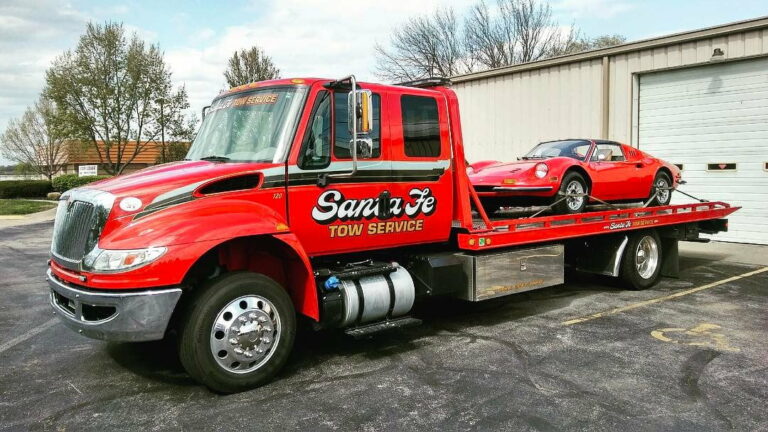
- Towing: Most "free" trucks will require towing. This is your primary "cost." Research local towing companies or rent a car hauler/trailer if you have a suitable tow vehicle. Get quotes in advance.
- Flatbed vs. Dolly: A flatbed is generally safer and easier for non-running vehicles.
- Safety: Ensure the truck is stable and secure before attempting to move it.
- Accessibility: Confirm the truck is in a location where a tow truck or trailer can easily access it.
-
Paperwork and Legalities (THE MOST CRUCIAL STEP):
- Title Transfer: If the truck has a title, you MUST get it properly signed over to you. The seller’s name on the title must match their ID. You will likely need to go to your local Department of Motor Vehicles (DMV) or equivalent to complete the transfer and pay any applicable fees. Without a properly transferred title, you cannot legally register or drive the truck.
- Bill of Sale: Even for a "free" item, a simple bill of sale (stating "given for $0") signed by both parties is a good idea. Include the VIN, year, make, model, date, and contact information for both parties. While not a substitute for a title, it provides a record of the transaction.
- No Title = Parts Only: If there is no title, or the title is not in the seller’s name, you should assume the truck is for parts or scrap ONLY. Do not attempt to "title jump" or acquire a "salvage title" without fully understanding your state’s complex laws, which often require extensive documentation and can be very costly.
Potential Uses for a "Free" Truck
Once you’ve successfully acquired your "free" truck, what can you do with it?
- Parts Donor: This is the most common and often most practical use. You can strip valuable components (engine, transmission, axles, interior parts, body panels) to repair another vehicle or sell them individually.
- Scrap Metal: If the truck is beyond repair or parts value, its metal can be recycled. Scrap yards pay by weight, so this can recoup some of your towing costs.
- Restoration Project: For the mechanically skilled, patient, and well-funded, a "free" truck can be the base for a full restoration. Be realistic about the time, tools, and money required.
- Off-Road/Farm Use: If you own private land or have access to it, a title-less "free" truck might be usable as an off-road toy or a utility vehicle on private property, depending on local regulations.
- Learning Opportunity: For aspiring mechanics, a free truck provides a hands-on platform to learn about automotive systems without the pressure of damaging an expensive vehicle.
Challenges and Solutions
| Challenge | Solution |
|---|---|
| No Title | Solution: Assume it’s a parts-only vehicle or for scrap. Do not attempt to register it for road use. Research your state’s specific "abandoned vehicle" or "salvage title" laws, but be aware they are usually complex, time-consuming, and often not worth it for a "free" truck. |
| Significant Repairs Needed | Solution: Honestly assess your mechanical skills, available tools, and budget. Get quotes for professional repairs if you can’t do it yourself. Be prepared for the "free" truck to quickly become a very expensive truck. |
| High Transportation Costs | Solution: Factor towing/hauling costs into your overall "free" truck budget. If the towing cost exceeds the potential value of the parts or scrap, it might not be worth it. Compare quotes from multiple towing services. |
| Safety Concerns / Scams | Solution: Always meet in a public place if possible. Don’t go alone. Trust your gut – if something feels off, walk away. Never pay upfront or give out personal information beyond what’s necessary for the transaction. |
| Limited Space to Store It | Solution: Plan where the truck will be stored before you pick it up. Do you have a garage, driveway, or private land? Ensure it complies with local zoning laws regarding vehicle storage. |
| Difficulty Finding Parts | Solution: Research parts availability for the specific year, make, and model before committing. Older or less common trucks might have scarce and expensive parts. Online forums and specialty salvage yards can be good resources. |
| Environmental Disposal Concerns | Solution: If you strip the truck for parts, be prepared to properly dispose of fluids (oil, coolant), tires, and other non-metal components responsibly at designated recycling centers. The remaining shell can be sold for scrap metal. |
Cost/Value Breakdown of a "Free" Truck
While the acquisition cost is $0, there are almost always associated costs and potential values to consider. This table illustrates typical ranges.
| Item/Service | Description | Estimated Cost/Value Range |
|---|---|---|
| Acquisition Cost | The price paid to the owner for the truck itself. | $0 (Hence "Free") |
| Towing/Hauling Fee | Cost to transport the non-running truck from the seller’s location to yours. | $75 – $500+ (Varies by distance, truck size, and tow company) |
| Title Transfer Fees (if applicable) | State DMV fees to transfer the title into your name. | $15 – $100+ (Varies by state and vehicle value) |
| Necessary Tools/Equipment | Basic tools, jack stands, etc., for working on the truck. | $0 (if you have them) – $300+ (for new essential tools) |
| Replacement Parts | Cost of parts needed for repair/restoration (engine, transmission, body panels, tires, etc.). | $0 (if only for scrap) – $100s – $1000s+ (for project vehicles) |
| Professional Labor (if applicable) | If you can’t do the repairs yourself. | $0 (DIY) – $100s – $1000s+ (for complex repairs) |
| Scrap Metal Value | Value received for the metal weight of the truck if sold to a scrap yard. | $100 – $400 (Varies by metal prices, truck weight, and local yard rates) |
| Individual Parts Value | Potential earnings from selling usable components separately (engine, transmission, axles, interior). | $0 (if parts are bad) – $50 – $100s+ per component (depending on demand and condition) |
| Disposal Fees (for leftovers) | Cost to dispose of tires, fluids, or remaining un-scrappable parts. | $0 – $50 (Depending on local regulations and recycling centers) |
| Time Investment | Your personal time spent searching, inspecting, acquiring, repairing, and/or stripping the truck. | Priceless (or substantial, depending on your hourly rate and patience!) |
Frequently Asked Questions (FAQ)
Q: Can I really get a running truck for free on Craigslist?
A: It’s extremely rare. While not impossible, most "free" trucks are non-running, heavily damaged, or for parts only. Be highly skeptical of any listing claiming a running truck is free.
Q: What if the "free" truck has no title?
A: If there’s no title, or the title isn’t in the seller’s name, assume the truck is only good for parts or scrap metal. Attempting to get a title for a vehicle without proper paperwork is a complex, often expensive, and usually fruitless endeavor.
Q: How much does it typically cost to tow a non-running truck?
A: Towing costs vary widely based on distance, the size/weight of the truck, and the towing company. Expect to pay anywhere from $75 for a very short distance to $500 or more for longer hauls or complex recoveries. Always get a quote first.
Q: Is it safe to pick up a truck from a stranger on Craigslist?
A: Exercise caution. Always go with a friend or family member. Meet in a well-lit, public place if possible. If the truck is at a private residence, inform someone of your location and expected return time. Trust your instincts – if something feels wrong, leave.
Q: What should I do before contacting a seller about a "free" truck?
A: Have your questions ready (title status, running condition, pictures). Understand your capabilities (can you tow it? Can you fix it?). Know where you’ll store it. Research the potential value of its parts or scrap metal to determine if it’s worth your effort.
Q: Can I just use a "free" truck for parts without a title?
A: Yes, absolutely. This is one of the most common and legal uses for a title-less "free" truck. You can strip it for components to use or sell, and then scrap the remaining shell.
Q: How do I get rid of the truck if I can’t fix it or use it?
A: You can sell it to a scrap metal yard for its weight, or list it again on Craigslist, potentially as a "free" truck yourself, passing on the opportunity to someone else. Ensure you handle any fluids or hazardous materials properly before disposal.
Conclusion
The phrase "Free Trucks On Craigslist" is more an invitation to a project than a promise of a ready-to-roll vehicle. While the initial acquisition cost may be zero, the true cost lies in transportation, potential repairs, and the significant investment of your time and effort. However, for the resourceful, the mechanically inclined, or those simply seeking affordable parts, these listings can indeed represent hidden opportunities.
Approach "free" trucks with realistic expectations, meticulous due diligence, and a clear understanding of the legalities, especially concerning vehicle titles. By doing so, you can transform what might seem like a discarded piece of metal into a valuable source of parts, a rewarding restoration project, or even just a few hundred dollars from the scrap yard. The key to success is preparation, caution, and a pragmatic perspective on what "free" truly entails.