Fiberglass Truck Body Kits Price: A Comprehensive Guide to Cost and Value
Fiberglass Truck Body Kits Price: A Comprehensive Guide to Cost and Value typestruckssale.com
The rumble of a powerful truck, the gleam of custom paint, and the aggressive stance of a well-designed body kit – these are the hallmarks of a truly personalized vehicle. For truck enthusiasts looking to transform their ride from stock to showstopper, fiberglass body kits offer an enticing blend of aesthetic enhancement, lightweight performance potential, and relative affordability. However, the question "What does a fiberglass truck body kit cost?" is far more complex than a simple number. It encompasses a spectrum of expenses, from the initial purchase price to painting, installation, and unforeseen considerations.
This comprehensive guide will delve deep into the world of fiberglass truck body kits, meticulously breaking down the various factors that influence their price. We’ll explore everything from the type of kit and brand reputation to the often-overlooked costs of finishing and installation, providing you with the knowledge to budget effectively and make informed decisions on your journey to automotive customization.
Fiberglass Truck Body Kits Price: A Comprehensive Guide to Cost and Value
What Are Fiberglass Truck Body Kits?
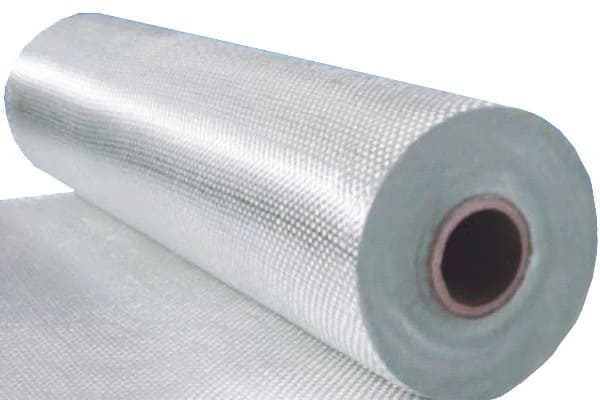
Before dissecting the price, it’s crucial to understand what a fiberglass truck body kit entails. Fiberglass, a composite material made from fine glass fibers embedded in a resin matrix, is a popular choice for automotive aftermarket parts due to its excellent moldability, relatively low weight, and cost-effectiveness compared to materials like carbon fiber.
Truck body kits typically comprise various components designed to alter the vehicle’s exterior appearance. Common elements include:
- Front Bumpers/Fascias: Replacing the stock bumper with a more aggressive or aerodynamic design.
- Rear Bumpers/Valances: Mirroring the front’s style or incorporating diffuser elements.
- Fender Flares/Widebody Kits: Extending the width of the wheel arches to accommodate wider wheels and tires, creating a more muscular stance.
- Side Skirts: Panels fitted along the bottom edge of the truck’s sides, visually lowering the vehicle and often enhancing aerodynamics.
- Hoods: Aftermarket hoods can feature scoops, vents, or power bulges for aesthetic appeal and sometimes improved engine bay cooling.
- Spoilers/Wings: Mounted on the tailgate or cab, these can add a sporty touch and, in some cases, provide downforce.

These components are typically supplied in a raw, unpainted state, usually with a gel coat finish, ready for sanding, priming, and painting to match or contrast with your truck’s existing color.

Factors Influencing Fiberglass Truck Body Kit Prices
The cost of a fiberglass truck body kit is a multi-faceted equation, influenced by a combination of design, manufacturing, and market dynamics. Understanding these factors is key to predicting your overall expenditure.

Kit Type and Components:
- Individual Pieces vs. Full Kits: Buying a single component (e.g., just a front bumper) will naturally be cheaper than a complete widebody kit that includes fenders, bumpers, and side skirts. Full kits offer a cohesive look but come with a higher price tag.
- Design Complexity: Simple fender flares are less expensive than intricately designed widebody systems that require multiple molds and precise fitment. Kits with integrated lighting, vents, or unique aerodynamic features will command higher prices due to increased R&D and manufacturing complexity.
-
Brand Reputation and Quality:
- Established Aftermarket Brands: Reputable brands (e.g., Roush, RKSport, Street Scene, Duraflex) often charge more, but this premium usually reflects superior design, manufacturing quality, fitment accuracy, and customer support. They invest heavily in R&D and quality control.
- Budget/No-Name Brands: Cheaper kits from lesser-known manufacturers might save you money upfront, but often come with compromises in terms of fitment, material consistency, and durability. Expect more prep work and potential modification during installation.
- Manufacturing Process: Hand-laid fiberglass, while often more labor-intensive, can result in stronger, lighter parts with better consistency than mass-produced, machine-made components that might have air bubbles or inconsistencies.
-
Material Quality and Finish:
- Resin Type: The quality of the resin used in the fiberglass laminate impacts its strength, flexibility, and resistance to cracking or warping.
- Gel Coat: A high-quality gel coat provides a smoother, more consistent surface, requiring less prep work before painting. Poor gel coats can hide imperfections that only become apparent after painting, leading to additional costs.
- Flexibility Additives: Some manufacturers incorporate additives to make fiberglass more flexible and less prone to cracking upon minor impact, increasing the kit’s longevity but also its cost.
-
Exclusivity and Rarity:
- Limited Production Runs: Kits produced in limited quantities or custom-made designs will naturally be more expensive due to their unique nature and lower production volume.
- Discontinued Kits: Sometimes, rare or discontinued kits can fetch higher prices on the secondary market if they are highly sought after by collectors or enthusiasts.
-
Shipping Costs:
- Fiberglass body kit components are often large and bulky, requiring freight shipping. These costs can be substantial, especially for full kits or international orders, and are usually added on top of the kit’s base price. Always factor this into your budget.
-
Paint and Finishing Costs:
- This is one of the most significant, and often underestimated, expenses. Fiberglass kits come unpainted. Professional automotive paint jobs involve multiple steps: sanding, priming, color coats, and clear coats.
- Color Matching: Achieving a perfect match to your truck’s existing paint requires skill and specific paint codes.
- Type of Paint: Standard single-stage paint is cheaper than multi-stage pearlescent or metallic finishes.
- Shop Rates: Labor rates for painting vary widely by region and the shop’s reputation. Expect higher prices for meticulous, show-quality finishes.
-
Professional Installation Labor:
- While some mechanically inclined individuals might attempt DIY installation, professional installation is highly recommended for optimal fitment and finish.
- Complexity: A simple bolt-on bumper might take a few hours, whereas a widebody kit requiring cutting, sanding, bonding, and blending can take days or even weeks of labor.
- Shop Expertise: Custom body shops specializing in fiberglass work or vehicle customization will charge higher rates but offer superior results. Poor installation can lead to misaligned panels, gaps, and premature cracking.
Budgeting for Your Fiberglass Truck Body Kit
To avoid sticker shock, it’s essential to create a comprehensive budget that accounts for all potential costs. Here’s a breakdown of the typical cost components:
- Base Kit Price: This is the sticker price from the manufacturer or retailer.
- Shipping & Handling: As discussed, this can be significant for large items.
- Paint & Materials: The cost of paint, primer, clear coat, sandpaper, masking tape, and other consumables.
- Painting Labor: The labor charged by the paint shop.
- Installation Labor: The labor charged by the body shop for mounting the kit.
- Miscellaneous: Adhesives, fasteners, clips, tools (if DIY), unexpected modifications.
DIY vs. Professional Installation:
- DIY: Can save thousands in labor costs for installation and some prep work for paint. However, it requires specific tools, a clean workspace, significant time, and a high level of skill. Mistakes can be costly to fix.
- Professional: Ensures proper fitment, a professional finish, and peace of mind. Ideal for complex kits or if you lack the time/skill. The cost is higher, but the outcome is usually superior.
Where to Buy Fiberglass Truck Body Kits
Finding the right supplier is crucial for both price and quality:
- Online Retailers: Websites like RealTruck, CARiD, AutoAnything, and specialized aftermarket part sites offer a wide selection from various brands. They often have competitive pricing and customer reviews.
- Manufacturer Direct: Buying directly from the kit manufacturer can sometimes offer better pricing or access to specific options.
- Local Custom Shops: Many custom automotive shops can order kits for you, and sometimes even get installer discounts. They can also provide a comprehensive quote for purchase, paint, and installation.
- Used Market: Websites like eBay, Craigslist, or Facebook Marketplace can offer used kits at a lower price. Caveat Emptor: Inspect thoroughly for damage, cracks, or poor previous repairs. Fitment might also be an issue if the kit was previously installed on a different vehicle or poorly removed.
Tips for Smart Shopping & Saving Money
While quality often comes at a price, there are ways to manage costs without completely sacrificing quality:
- Research Thoroughly: Read reviews, watch installation videos, and check forums for feedback on specific brands and kits. Pay attention to comments about fitment and durability.
- Compare Prices: Get quotes from multiple online retailers and local shops before committing. Don’t forget to compare shipping costs.
- Look for Sales and Promotions: Many retailers offer seasonal sales, holiday discounts, or brand-specific promotions. Sign up for newsletters.
- Consider Individual Components: If a full kit is out of budget, consider starting with a key component like a front bumper or fender flares to achieve a noticeable change.
- DIY Preparation: If you’re handy, you can save on paint costs by doing the initial sanding and priming of the fiberglass components yourself, but ensure you follow professional guidelines to avoid issues.
- Get Multiple Paint Quotes: Paint shops vary widely in price. Get at least 3-4 quotes and ask for a detailed breakdown of what’s included.
- Be Realistic About Expectations: A budget kit will likely require more effort in terms of prep and fitting than a premium one. Factor your time and potential frustration into the "cost."
Challenges and Solutions
Even with careful planning, challenges can arise during a fiberglass body kit project.
- Challenge: Poor Fitment.
- Solution: This is the most common complaint with aftermarket fiberglass. Invest in reputable brands known for good fitment. If issues arise, professional body shops have the expertise to modify and align panels, though this adds to labor costs.
- Challenge: High Paint Costs.
- Solution: As mentioned, DIY prep can help. Also, consider a simpler, single-stage paint job if budget is paramount, or choose a color that is easier to match. Some enthusiasts opt for vinyl wraps as a more affordable, reversible alternative to paint.
- Challenge: Shipping Damage.
- Solution: Fiberglass can be brittle. Inspect the package immediately upon arrival before signing off with the carrier. If there’s damage, refuse the shipment or document it extensively with photos and contact the seller immediately.
- Challenge: Durability Issues (Cracking, Warping).
- Solution: Buy quality kits with good material composition. Proper installation (avoiding over-tightening bolts, using flexible adhesives where necessary) and avoiding harsh impacts will extend the life of the kit.
Fiberglass Truck Body Kits Price Table
Here’s an estimated price range for various fiberglass truck body kit components and associated services. Prices can vary significantly based on brand, vehicle model, complexity, and regional labor rates.
| Component/Service | Description | Estimated Price Range (USD) | Notes/Considerations |
|---|---|---|---|
| Fiberglass Components (Unpainted) | |||
| Front Bumper/Fascia | Replacement bumper, often with integrated grilles or vents. | $300 – $1,200 | Design complexity, brand reputation. |
| Rear Bumper/Valance | Replacement rear bumper or lower valance. | $250 – $900 | Matches front styling, may include diffuser. |
| Fender Flares (Set of 4) | Adds width over wheel wells, typically bolt-on or adhesive. | $200 – $800 | Simple vs. integrated designs. Often requires drilling. |
| Widebody Kit (Full Set) | Includes wider fenders (front/rear), side skirts, possibly bumpers. | $1,500 – $5,000+ | Extensive modification often required; significant visual transformation. |
| Hood (Aftermarket) | Hood with scoops, vents, or power bulges. | $400 – $1,500 | Functional vents add cost; fitment can be critical. |
| Side Skirts (Pair) | Panels along the lower sides of the truck. | $200 – $700 | Simple extensions vs. integrated designs. |
| Spoiler/Wing | Tailgate or cab-mounted spoiler. | $100 – $500 | Small lip spoiler vs. large wing. |
| Associated Costs | |||
| Shipping & Handling | For large, bulky fiberglass parts. | $100 – $500+ | Varies by distance, size, and weight. Can be higher for full kits. |
| Paint Materials | Primer, paint, clear coat, sandpaper, masking, etc. | $200 – $800 | Depends on paint type (single-stage vs. multi-stage), color, and quality. |
| Professional Painting | Labor for sanding, priming, color matching, clear coating. | $500 – $2,500+ per piece | Varies by shop, region, paint complexity, and desired finish quality. Full kits can be $3,000-$8,000+. |
| Professional Installation | Labor for mounting, aligning, and securing components. | $300 – $1,500+ per piece | Varies by kit complexity (bolt-on vs. extensive cutting/bonding) and shop rates. Full widebody kit can be $2,000-$6,000+. |
| Total Estimated Project Cost | |||
| Minor Enhancement (e.g., Fender Flares + Paint + Install) | $1,000 – $3,000 | ||
| Moderate Kit (e.g., Bumpers + Side Skirts + Paint + Install) | $2,500 – $7,000 | ||
| Full Widebody Transformation (Kit + Paint + Install) | $5,000 – $15,000+ | Highly dependent on brand, complexity, and shop expertise. |
Frequently Asked Questions (FAQ)
Q1: Are fiberglass body kits durable?
A1: Fiberglass kits are reasonably durable but are more brittle than OEM plastic bumpers. They can crack or shatter on significant impact. However, with proper installation and care, they can last for many years. Quality of material and manufacturing also plays a big role in durability.
Q2: Can I install a fiberglass body kit myself?
A2: Simple bolt-on components like some fender flares or lip kits can be installed by a skilled DIY enthusiast. However, full body kits, especially widebody kits that require cutting, bonding, and precise alignment, are best left to professional body shops for optimal fitment and safety.
Q3: How much does painting a fiberglass kit typically cost?
A3: Painting is a significant cost. For a single component (e.g., a bumper), expect $500-$1,500. For a full kit, it can range from $3,000 to $8,000+, depending on the number of pieces, paint quality (single-stage vs. multi-stage), and the shop’s labor rates.
Q4: Will a fiberglass body kit affect my truck’s performance?
A4: Fiberglass is lightweight, so it won’t add significant weight. Some kits are designed with aerodynamics in mind (e.g., diffusers, spoilers), which could theoretically improve high-speed stability, but for most street trucks, the performance impact is negligible. It’s primarily an aesthetic modification.
Q5: What’s the difference between fiberglass and carbon fiber body kits?
A5: Carbon fiber is significantly lighter and stronger than fiberglass, but also much more expensive (often 2x-5x the cost). Carbon fiber often has a distinct weave pattern that can be left exposed, whereas fiberglass almost always requires painting.
Q6: Do I need special tools for installation?
A6: For DIY, you’ll need basic hand tools, drills, possibly sanders, and safety gear. For professional-level installation and finishing, specialized tools for cutting, sanding, bonding, and painting are required, which is why professional labor is costly.
Conclusion
Investing in a fiberglass truck body kit is a journey of transformation, turning your vehicle into a unique expression of your style. While the initial "kit price" might seem appealing, it’s merely the tip of the iceberg. A truly successful project requires a holistic understanding of all associated costs – from shipping and material quality to the critical expenses of professional painting and installation.
By diligently researching brands, understanding the nuances of manufacturing, obtaining detailed quotes, and making informed decisions about DIY versus professional services, you can effectively budget and achieve the aggressive stance, sleek lines, or widebody presence you envision for your truck. Remember, quality, fitment, and a flawless finish are paramount for long-term satisfaction, often justifying a higher initial investment to avoid costly rectifications down the road. Embrace the process, and soon, your truck will not only turn heads but also stand as a testament to thoughtful customization.