Farrier Rigs For Sale: Your Comprehensive Guide to Mobile Farriery Solutions
Farrier Rigs For Sale: Your Comprehensive Guide to Mobile Farriery Solutions typestruckssale.com
The life of a farrier is one of mobility, skill, and dedication. Unlike many trades, the workbench of a farrier isn’t static; it travels with them, often many miles a day, to the hooves of horses in need. This mobile workshop is known as a farrier rig, an indispensable tool that enables professionals to carry their forge, anvil, tools, and supplies directly to their clients. For anyone entering the farriery profession, expanding their business, or simply upgrading their existing setup, the market for "Farrier Rigs For Sale" is a critical arena to navigate.
This comprehensive guide will delve into every aspect of farrier rigs for sale, from understanding their components and types to practical advice on purchasing, inspecting, and even customizing your ideal mobile workshop.
Farrier Rigs For Sale: Your Comprehensive Guide to Mobile Farriery Solutions
What Exactly is a Farrier Rig? The Mobile Workshop Defined
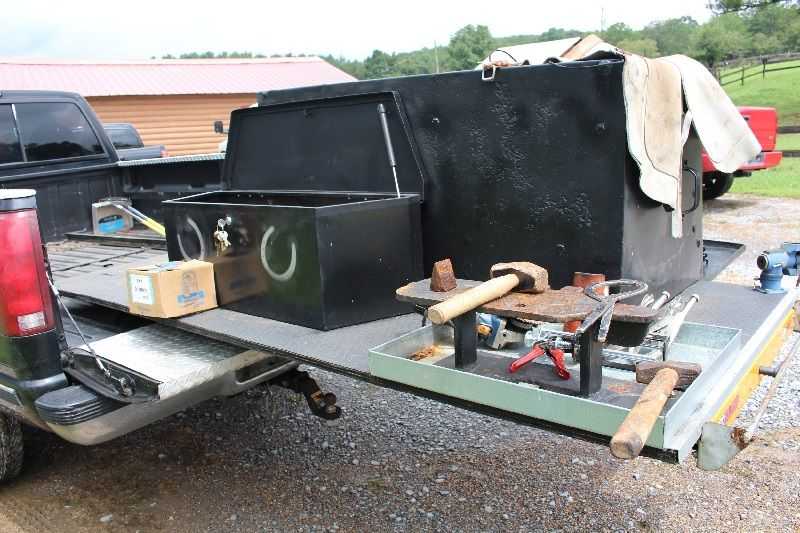
At its core, a farrier rig is a specialized vehicle or trailer outfitted to serve as a complete, self-sufficient mobile farrier shop. It’s designed to withstand the rigors of travel, safely transport heavy and often sharp tools, and provide a functional workspace in diverse environments. While configurations vary widely, a typical farrier rig will include:
- The Vehicle Platform: This is usually a heavy-duty pickup truck (often a 3/4-ton or 1-ton model) or a specialized trailer (bumper pull or gooseneck). The choice depends on the farrier’s preference, budget, and the amount of equipment they need to carry.
- Forge: The heart of the operation, a propane or natural gas forge for heating horseshoes and steel for modifications.
- Anvil: A robust anvil, securely mounted, for shaping and modifying horseshoes.
- Tool Storage: Specialized compartments, drawers, and racks for organizing and securing a vast array of farrier tools – nippers, rasps, hammers, tongs, clinchers, hoof knives, pritchels, and more.
- Work Surfaces: Designated areas for working, often including a workbench or dedicated space around the anvil.
- Power Supply: Often a generator or an inverter system to power grinders, lights, and other electrical tools.
- Lighting: Adequate interior and exterior lighting for working in various conditions and times of day.
- Propane Tank Storage: Secure and vented storage for propane tanks for the forge.
- Horseshoe Storage: Racks or bins for carrying a variety of pre-made horseshoes in different sizes and styles.
- Safety Features: Fire extinguishers, first-aid kits, and secure locking mechanisms for tools and supplies.
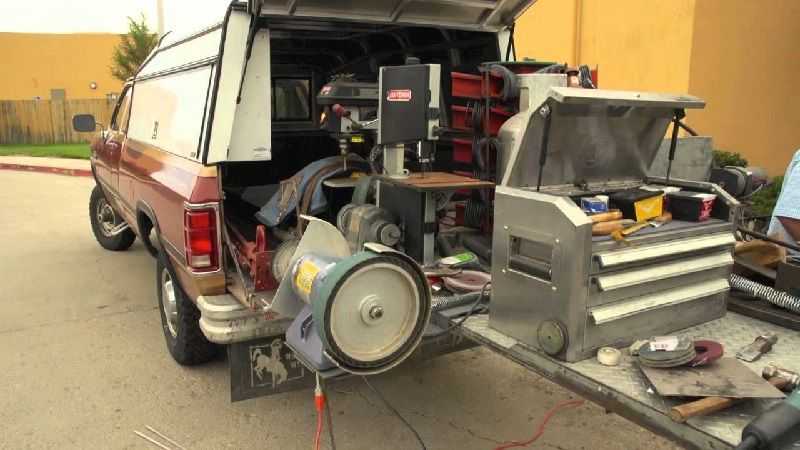

The efficiency and professionalism of a farrier are directly tied to the functionality and organization of their rig. It’s not just a vehicle; it’s an extension of their craft.
Types of Farrier Rigs: Tailoring to Your Needs

When exploring farrier rigs for sale, you’ll primarily encounter two main categories, each with its own advantages and considerations:
-
Truck-Mounted Rigs:
- Slide-In Units: These are self-contained units that slide into the bed of a pickup truck, similar to a truck camper. They are often built with aluminum or steel frames and can be removed from the truck when not in use.
- Pros: Flexibility (can use the truck for other purposes when the rig is removed), potentially lower initial cost than a full custom build, easy to transfer between trucks of the same bed size.
- Cons: Can be heavy, limiting payload capacity for other items; less internal standing room compared to some trailers.
- Permanent Build-Outs: The truck bed is permanently modified with custom cabinetry, tool storage, and equipment mounts. This often involves cutting into the truck’s bed walls to create more integrated storage.
- Pros: Highly customized and integrated design, superior organization, can feel more like a dedicated mobile shop.
- Cons: Permanent modification to the truck, less flexibility for the truck’s use, higher initial build cost.
- Slide-In Units: These are self-contained units that slide into the bed of a pickup truck, similar to a truck camper. They are often built with aluminum or steel frames and can be removed from the truck when not in use.
-
Trailer Rigs:
- Bumper Pull Trailers: These are towed behind a truck and come in various sizes, from small utility trailers with custom enclosures to full-sized enclosed cargo trailers converted into farrier shops.
- Pros: Separates the workshop from the daily driver, allowing the truck to be used independently; often provides more interior space and standing room; easier to leave at a job site and retrieve later.
- Cons: Requires a truck capable of towing; can be more challenging to maneuver and park; additional maintenance for trailer tires, brakes, and lights.
- Gooseneck Trailers: Larger and more robust trailers that connect to a hitch in the truck bed, typically used for heavier loads and more extensive setups.
- Pros: Extremely stable towing, superior space and storage capacity, ideal for farriers who carry a large inventory or work on multiple horses at one location.
- Cons: Requires a heavy-duty truck with a gooseneck hitch, higher initial cost, more challenging to maneuver in tight spaces.
- Bumper Pull Trailers: These are towed behind a truck and come in various sizes, from small utility trailers with custom enclosures to full-sized enclosed cargo trailers converted into farrier shops.
The choice between a truck-mounted rig and a trailer rig depends heavily on your specific business model, the types of properties you visit, your budget, and personal preference for towing versus carrying.
The Market for Farrier Rigs For Sale: Why Buy Used?
While custom-built new rigs offer bespoke solutions, the market for used farrier rigs is vibrant and often presents excellent value, especially for new farriers or those on a tighter budget.
- Cost Savings: A pre-owned rig can significantly reduce your initial capital outlay, allowing you to invest more in tools or marketing.
- Immediate Availability: Unlike custom builds that can take months, a used rig is often available for immediate purchase and use.
- Already Equipped: Many used rigs come fully equipped with a forge, anvil, and a basic set of tools, saving you the hassle and expense of sourcing these items individually.
- Proven Design: Used rigs have often been field-tested by experienced farriers, meaning their layouts are generally functional and practical.
- Ideal for New Farriers: A used rig allows a new farrier to get started without a massive financial commitment, providing a functional setup while they learn their preferences for a future custom rig.
Key Considerations When Buying a Farrier Rig
Purchasing a farrier rig, whether new or used, is a significant investment. Here are the crucial factors to evaluate:
- Budget: Determine your absolute maximum budget, including the purchase price, potential repairs, customization, and insurance. Remember that a lower purchase price might mean higher immediate repair costs.
- Vehicle Condition (for truck-mounted rigs): If buying a complete truck rig, thoroughly inspect the truck itself. Check the engine, transmission, frame for rust, tires, brakes, and electrical system. A pre-purchase inspection by a trusted mechanic is highly recommended.
- Rig Condition:
- Structure: Look for rust, cracks, dents, or signs of structural fatigue in the body, frame, and mounting points.
- Forge: Check the condition of the refractory lining, burners, and hoses.
- Anvil: Inspect for chips, cracks, or significant wear on the face or horn. Ensure it’s securely mounted.
- Tool Storage: Are the drawers, cabinets, and latches functional and secure? Is there enough space and organization for your tools?
- Electrical System: Test all lights, outlets, and any integrated power tools. Inspect wiring for fraying or damage.
- Propane System: Check hoses, regulators, and connections for leaks (use a soapy water solution). Ensure tank storage is secure and properly vented.
- Layout and Functionality: Does the existing layout suit your workflow? Can you comfortably access all tools and work areas? Consider ergonomics – is the anvil at a comfortable height? Is there adequate ventilation?
- Tool Inventory: What tools are included with the rig? Factor in the cost of replacing missing or worn-out items. A good starter set typically includes nippers, rasps, various hammers, tongs, hoof knives, clinchers, and shoe pullers.
- Safety Features: Does the rig have a fire extinguisher, proper ventilation for the forge, and secure storage for sharp tools?
- Maintenance History: Ask for maintenance records for both the vehicle and the rig components. This can provide insight into how well the rig has been cared for.
- Resale Value: While often overlooked, a well-maintained and popular rig configuration will likely hold its value better if you decide to upgrade in the future.
Where to Find Farrier Rigs For Sale
The market for farrier rigs is specialized, but several avenues can lead you to your next mobile workshop:
- Specialized Farrier Forums and Facebook Groups: These online communities are excellent resources. Farriers often post their rigs for sale directly, and you can connect with sellers and ask questions.
- Farrier Supply Dealers: Many farrier supply companies also deal in new and used rigs, or they can connect you with builders.
- Online Classifieds: Websites like Craigslist, eBay, and even general vehicle marketplaces (e.g., AutoTrader, RV Trader for trailers) can list rigs, though you may need to use specific search terms like "farrier rig," "horseshoeing truck," or "mobile forge."
- Auctions: Equipment auctions, especially those specializing in commercial vehicles or farm equipment, sometimes feature farrier rigs.
- Word-of-Mouth: Network with other farriers. Retiring farriers often sell their entire setup, offering a complete package.
- Direct from Builders: While primarily for new rigs, some custom rig builders might also have used rigs available as trade-ins.
Tips for Inspecting and Purchasing Your Rig
- Do Your Homework: Research common issues with specific truck models or rig components.
- Bring a Professional: If possible, have an experienced farrier or mechanic accompany you for a second opinion during the inspection.
- Test Everything: Don’t just look; operate the forge, open and close all drawers, test the lights, and if it’s a truck, take it for a test drive.
- Check for Rust: Pay particular attention to the frame, wheel wells, and any areas where metal meets metal or where water might collect.
- Verify Documentation: Ensure the seller has a clear title for the vehicle/trailer and any relevant paperwork for the rig components.
- Negotiate: Don’t be afraid to negotiate the price, especially if you find issues during your inspection that will require repairs.
- Consider Shipping: If buying out of state, factor in the cost of transport.
Customizing Your New-to-You Rig
Once you’ve purchased a rig, especially a used one, it’s time to make it your own.
- Deep Clean and Organize: A thorough cleaning is essential. Then, organize tools and supplies in a way that maximizes efficiency for your workflow.
- Add Personal Touches: This could be anything from new decals to adding specific tool holders or a comfortable seat.
- Upgrade Components: You might want to upgrade the forge, anvil, or lighting system over time to better suit your needs.
- Maintenance: Establish a regular maintenance schedule for both the vehicle and the farrier equipment. This includes checking fluids, tire pressure, propane lines, and tool sharpness.
Estimated Price Range for Farrier Rigs For Sale
It’s important to note that prices for farrier rigs vary significantly based on age, condition, included equipment, customization level, and geographic location. The table below provides broad estimated ranges for common types of rigs. These are estimates only and should be used as a general guide.
| Rig Type | Key Features | Estimated Price Range (USD) | Notes |
|---|---|---|---|
| Basic Slide-In Unit | Aluminum or steel frame, basic tool storage, small forge, no truck included. | $5,000 – $15,000 | Often suitable for part-time farriers or those on a tight budget. May require truck purchase separately. |
| Mid-Range Enclosed Trailer (Bumper Pull) | 6×10 to 7×14 enclosed trailer, insulated, forge, anvil stand, organized storage, basic power. | $15,000 – $40,000 | Good balance of space and mobility. Prices vary greatly by trailer condition and interior build-out. |
| Custom Truck Bed Build-Out (Used Truck Incl.) | Heavy-duty pickup truck (e.g., Ford F-250/350, Ram 2500/3500) with permanent bed modifications, forge, anvil, extensive storage, generator. | $30,000 – $75,000+ | Highly functional, integrated design. Price depends heavily on truck’s age/mileage and build quality. |
| High-End Custom Gooseneck Trailer | Large (16ft+), fully customized interior, multiple work stations, advanced power systems, air conditioning/heating, premium tools. | $50,000 – $150,000+ | Designed for high-volume or specialized farriers. Often includes a full suite of professional tools. |
| Entry-Level/Starter Rigs (Very Basic) | Used utility trailer with a simple box, small forge, minimal tool storage. | $2,000 – $8,000 | Bare bones, often requires significant DIY customization. Good for learning or very light use. |
Disclaimer: These prices are estimates only and can fluctuate based on market demand, location, condition, and specific features included.
Frequently Asked Questions (FAQ) About Farrier Rigs
Q1: What’s the main difference between a truck-mounted rig and a trailer rig?
A1: A truck-mounted rig is integrated directly into a pickup truck’s bed, making it a single unit. A trailer rig is a separate unit that is towed by a truck. Truck rigs offer compact mobility, while trailers often provide more working space and allow the truck to be used independently when not shoeing.
Q2: How much does a used farrier rig typically cost?
A2: As shown in the table above, prices range from a few thousand dollars for a very basic, bare-bones setup to over $75,000 for a well-equipped, custom truck-mounted rig or a large gooseneck trailer. The average functional used rig often falls in the $15,000 – $40,000 range, depending on its type and condition.
Q3: What should I look for when inspecting a used forge?
A3: Check the refractory lining for significant cracks or deterioration, as this affects efficiency and safety. Inspect the burners for rust or blockages. Ensure the propane hoses are free from cracks or leaks, and the regulator functions correctly. Ask about the forge’s age and how often it was used.
Q4: Is financing available for farrier rigs?
A4: Yes, financing is often available. For complete truck rigs, standard vehicle loans apply. For custom builds or trailers, you might look into equipment financing or specific small business loans. Some farrier supply companies or specialized lenders may also offer financing options.
Q5: Can I convert a regular truck/trailer into a farrier rig myself?
A5: Absolutely! Many farriers start with a standard utility or enclosed trailer or an empty truck bed and custom-build their rig. This allows for complete personalization and can save money on labor if you have the skills. However, it requires careful planning, welding/fabrication knowledge, and adherence to safety standards for propane and electrical systems.
Q6: What are the essential tools that should ideally come with a rig?
A6: While a new farrier will build their collection, a good used rig should ideally include a working forge, a sturdy anvil, nippers, rasps, various hammers (driving, rounding), tongs, hoof knives, clinchers, and shoe pullers. The more tools included, the better value for money.
Conclusion: Your Mobile Workshop Awaits
A farrier rig is more than just a vehicle; it’s the backbone of a farrier’s business, enabling them to bring their specialized skills directly to their clients. Whether you’re a seasoned professional looking to upgrade or a new farrier embarking on your career, the market for "Farrier Rigs For Sale" offers a spectrum of options to fit every need and budget.
Thorough research, careful inspection, and a clear understanding of your operational requirements are paramount to making a sound investment. By choosing the right mobile workshop, you empower yourself to work efficiently, safely, and professionally, ensuring that you and your equine clients are well-equipped for success. Your perfect rig is out there, ready to hit the road with you.
