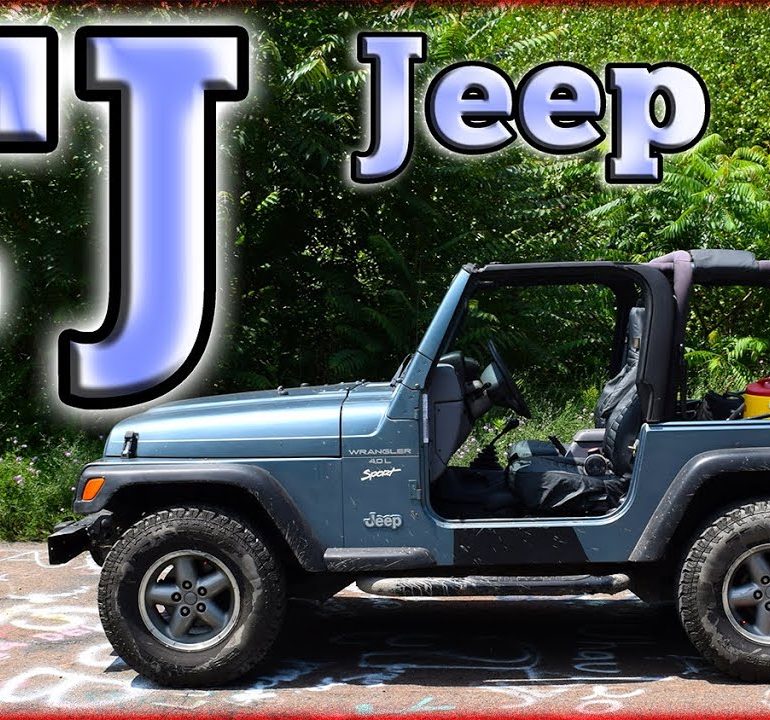
1998 Jeep Wrangler TJ For Sale: Your Ultimate Buyer’s Guide
1998 Jeep Wrangler TJ For Sale: Your Ultimate Buyer’s Guide typestruckssale.com
The open road, the call of the wild, and an iconic silhouette – for many, the Jeep Wrangler embodies a spirit of adventure. Among its storied lineage, the 1998 Jeep Wrangler TJ holds a special place. Representing a pivotal year in the TJ generation (1997-2006), the ’98 TJ strikes a near-perfect balance between classic Jeep ruggedness and modern drivability, making it a highly sought-after vehicle on the used market. If you’re considering a 1998 Jeep Wrangler TJ for sale, you’re not just looking at a vehicle; you’re eyeing a piece of automotive history renowned for its legendary off-road capability, simple mechanics, and timeless appeal. This comprehensive guide will delve into everything you need to know about finding, evaluating, and owning one of these beloved machines.
Why the 1998 TJ Stands Out: A Legacy of Capability
1998 Jeep Wrangler TJ For Sale: Your Ultimate Buyer’s Guide
The TJ generation marked a significant evolution for the Wrangler, moving from the leaf-spring suspension of its YJ predecessor to a more refined coil-spring setup. This change dramatically improved ride comfort and articulation, making the TJ a more capable and pleasant vehicle both on and off the pavement. The 1998 model year, in particular, carries several desirable characteristics:
- The Indomitable 4.0L AMC Straight-6 Engine: At the heart of the 1998 TJ lies the venerable 4.0-liter inline-six engine. Known for its legendary reliability, ample torque, and longevity, this powerplant is a major reason for the TJ’s enduring popularity. The ’98 model is one of the last to feature the traditional distributor ignition system before the transition to coil-on-plug in later years, a feature some purists prefer for its simplicity.
- Coil-Spring Suspension: This was the game-changer. The quadra-coil suspension system provided a much smoother ride compared to previous Wranglers, while also offering superior wheel articulation for challenging off-road terrains.
- Classic Design & Modularity: The 1998 TJ retains the iconic round headlights, fold-down windshield, and removable doors that define the Wrangler experience. Its straightforward design makes it incredibly easy to customize and work on, fostering a vibrant aftermarket industry.
- Durability and Simplicity: TJs are built tough. Their relatively simple mechanicals mean fewer complex electronics to go wrong and easier, more affordable repairs for the DIY enthusiast.
These attributes combine to make the 1998 Jeep Wrangler TJ a fantastic choice for off-road enthusiasts, weekend adventurers, and those simply seeking a fun, open-air driving experience.
What to Look For When Buying a 1998 TJ: A Thorough Inspection Guide
Purchasing a used vehicle, especially one with an adventurous past like a Wrangler, requires diligence. A thorough inspection is paramount to avoid costly surprises.
- The Rust Monster: Your Primary Concern: This is arguably the most critical factor when evaluating any TJ, especially older models.
- Frame: Inspect the frame rails meticulously, particularly around the control arm mounts (upper and lower), skid plates, and the rear section near the gas tank. Look for bubbling, flaking, soft spots, or repairs. Frame rust can be a deal-breaker or require extensive, expensive remediation.
- Body: Check the rocker panels, floorboards (under the carpet), inner fenders, and around the cowl. Surface rust is common but severe perforation indicates a larger problem.
- Engine and Drivetrain Health:
- 4.0L Engine: Listen for unusual noises (knocks, ticks), check for oil leaks (rear main seal and valve cover gaskets are common but not always catastrophic), and ensure it idles smoothly. Check coolant for signs of oil or rust.
- Transmission:
- Manual (AX-15): Test all gears, including reverse and 4WD engagement. Listen for grinding or difficulty shifting.
- Automatic (32RH): Check fluid level and condition (should be red, not brown or burnt-smelling). Ensure smooth shifts without hesitation or slipping.
- Transfer Case (NP231): Check for leaks and ensure 4WD High and Low engage smoothly.
- Axles (Dana 30 front, Dana 35 rear standard; Dana 44 rear optional): Look for fluid leaks around the differential covers and axle seals. Listen for excessive whining or grinding during a test drive, which could indicate worn gears or bearings.
- Suspension and Steering Components:
- "Death Wobble": While not exclusive to TJs, this violent shaking of the front end is often caused by worn steering or suspension components. Check tie rod ends, drag link, track bar (bushings and ball joint), ball joints, and control arm bushings for play.
- Shocks and Springs: Look for leaking shocks or sagging springs, which can affect ride quality and handling.
- Electrical System: Test all lights, wipers, power windows (if equipped), radio, and gauges. Check for any aftermarket wiring that looks shoddy or unprofessional.
- Interior and Accessories: Inspect the seats, carpet, and dashboard for wear, tears, or water damage. Ensure all seatbelts function. Check the condition of the soft top or hardtop – rips, tears, and missing hardware can be costly to replace. If aftermarket modifications are present (lift kits, large tires, winches), assess the quality of installation. A poorly installed lift can cause more problems than it solves.
The price of a 1998 Jeep Wrangler TJ can vary wildly based on several factors. There’s no single "correct" price, but understanding what influences value will help you make an informed offer.
- Condition is King: Rust-free frames and well-maintained mechanicals command premium prices. Cosmetic flaws are less impactful than structural integrity or major mechanical issues.
- Mileage: While lower mileage is generally better, a higher mileage TJ with meticulous maintenance records can be a better buy than a lower mileage one that’s been neglected.
- Trim Level: Sport and Sahara models generally fetch more than the base SE due to additional features and aesthetics.
- Aftermarket Modifications: A well-chosen and professionally installed lift kit, upgraded axles, or armor can add value for the right buyer. However, extreme or poorly done modifications can deter buyers or even reduce value.
- Location: Prices can vary significantly by region, often due to climate (less rust in dry climates) and local demand.
- Maintenance History: A complete service history is invaluable. It shows the previous owner’s diligence and provides a roadmap for future maintenance.
Practical Advice: Research recent sales on platforms like eBay Motors, Bring a Trailer (for high-end examples), and local classifieds (Craigslist, Facebook Marketplace). Always get a Pre-Purchase Inspection (PPI) from a trusted mechanic, especially one familiar with Jeeps. This small investment can save you thousands.
The Ownership Experience & Potential Challenges
Owning a 1998 TJ is an experience unlike many other vehicles.
Benefits:
- Unmatched Off-Road Capability: Even stock, the TJ is incredibly capable. With minor modifications, it can tackle serious trails.
- Classic Styling: The timeless design turns heads and evokes a sense of nostalgia.
- Strong Community: The Jeep community is vast and welcoming, offering a wealth of knowledge, support, and camaraderie.
- Simple to Work On: For the DIY enthusiast, TJs are relatively straightforward to maintain and repair, saving on labor costs.
- Fun Factor: Removable tops and doors provide an exhilarating open-air driving experience.
Challenges:
- Rust: As iterated, this is the biggest long-term battle for most TJ owners, especially in rust-belt states.
- Fuel Economy: Don’t expect hybrid-like MPG. The 4.0L engine, combined with a relatively heavy and un-aerodynamic body, means fuel economy typically hovers around 15-18 MPG.
- Ride Quality: While improved over the YJ, it’s still a short-wheelbase, solid-axle vehicle. The ride can be bouncy, especially on rough pavement.
- Safety Features: Compared to modern vehicles, the 1998 TJ has minimal safety features (no airbags beyond driver/passenger, no stability control, etc.).
- Parts Availability: While most common parts are readily available, some specific or obscure components might be harder to source due to the vehicle’s age.
Maximizing Your Investment and Enjoyment
Once you’ve secured your 1998 TJ, the real fun begins!
- Regular Maintenance: Adhere to a strict maintenance schedule. Fluids, filters, and greasing steering components are crucial. Address small issues before they become big ones.
- Strategic Upgrades: If off-roading is your goal, consider a modest lift kit (2-3 inches), larger tires (31-33 inches), and underbody protection (skid plates). Prioritize functionality and reliability over extreme modifications.
- Embrace the Community: Join local Jeep clubs, online forums, and social media groups. The collective knowledge is invaluable for troubleshooting, finding parts, and discovering new trails.
- Responsible Off-Roading: Learn proper techniques, respect the environment, and always tread lightly.
- Personalization: The TJ is a canvas. From custom paint to interior accents, there are endless ways to make it uniquely yours.
1998 Jeep Wrangler TJ Estimated Price Guide
Please note that these are estimates and actual prices can vary significantly based on location, specific modifications, maintenance history, and market demand. Rust-free examples in excellent mechanical condition will always command a premium.
| Condition | Estimated Price Range (USD) | Key Characteristics