1998 Jeep Wrangler 2.5 Engine For Sale: A Comprehensive Guide to Finding Your Replacement Heart
1998 Jeep Wrangler 2.5 Engine For Sale: A Comprehensive Guide to Finding Your Replacement Heart typestruckssale.com
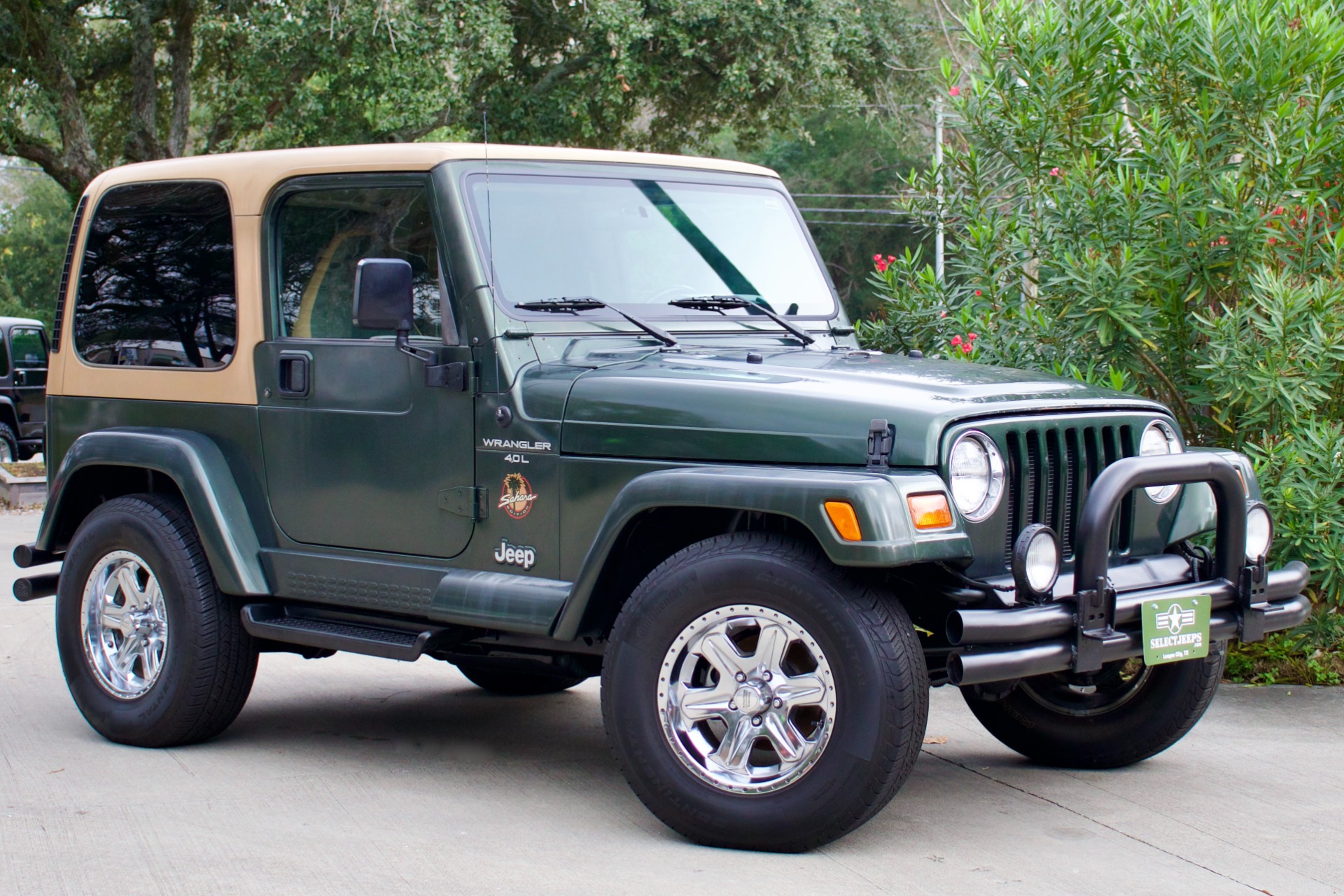
The 1998 Jeep Wrangler TJ, a quintessential symbol of off-road adventure and open-air freedom, holds a special place in the hearts of automotive enthusiasts. While many TJs were equipped with the robust 4.0L inline-six, a significant number rolled off the production line with the smaller, yet equally venerable, 2.5-liter 4-cylinder engine. For owners of these specific models, or those undertaking a unique project, the search for a "1998 Jeep Wrangler 2.5 Engine For Sale" often becomes a critical quest. This article serves as a comprehensive guide, navigating the nuances of finding, evaluating, and purchasing this specific powertrain, ensuring you make an informed decision for your beloved Jeep.
Understanding the 1998 Jeep Wrangler 2.5L Engine (AMC 150)
1998 Jeep Wrangler 2.5 Engine For Sale: A Comprehensive Guide to Finding Your Replacement Heart
Before diving into the market, it’s crucial to understand the engine itself. The 2.5L (150 cubic inch) inline-four engine, often referred to as the AMC 150, was a staple in various Jeep models from the late 1980s through the early 2000s. In the 1998 Wrangler TJ, it typically produced around 120-125 horsepower and 140-145 lb-ft of torque.
Key Characteristics:
- Simplicity: Known for its relatively straightforward design, making it easier to maintain and repair for the average DIY mechanic.
- Reliability: While not a powerhouse, the 2.5L is generally considered a reliable workhorse, capable of enduring significant mileage if properly maintained.
- Fuel Economy: Compared to its 4.0L sibling, the 2.5L offers slightly better fuel efficiency, which can be a significant factor for daily drivers.
- Off-Road Capability: Despite lower horsepower, its torque delivery at lower RPMs makes it surprisingly capable on trails, especially when coupled with appropriate gearing.
- Common Issues: Like any engine, it has its quirks, including potential for exhaust manifold cracks, minor oil leaks (valve cover, rear main seal), and occasional sensor issues (e.g., Crankshaft Position Sensor).
Why Search for a Used 1998 Jeep Wrangler 2.5L Engine?
The decision to seek a used 2.5L engine typically stems from a few common scenarios:
- Engine Replacement: The most common reason. If your existing 2.5L engine has suffered catastrophic failure (e.g., thrown rod, cracked block, severe overheating damage), replacing it with another used unit is often the most cost-effective solution.
- Restoration Project: For enthusiasts restoring a 1998 TJ to its original specifications, finding a period-correct engine is essential.
- Budget Constraints: New crate engines or professionally rebuilt units can be expensive. A good used engine offers a more budget-friendly alternative to get your Jeep back on the road or trail.
- Parts Harvesting: Sometimes, an engine is purchased not for a full swap, but to salvage specific components that are hard to find or costly individually.
Where to Find a 1998 Jeep Wrangler 2.5L Engine For Sale
The market for used automotive parts is vast, but finding the right 1998 2.5L engine requires knowing where to look:
-
Online Marketplaces:
- eBay: A global marketplace with numerous sellers, including parts dealers and individuals. You can often find detailed descriptions, photos, and buyer protection.
- Craigslist/Facebook Marketplace: Excellent for local finds, potentially allowing you to inspect the engine in person before purchase and avoid shipping costs. Be wary of scams and always meet in a safe, public place.
- Specialized Forums & Groups: Jeep-specific forums (e.g., JeepForum.com, WranglerForum.com) and Facebook groups dedicated to TJ Wranglers or Jeep parts often have "for sale" sections where enthusiasts list engines.
-
Salvage Yards / Auto Recyclers:
- These are treasure troves for used parts. Yards specialize in dismantling vehicles and selling components. They often test engines before sale and may offer limited warranties.
- Websites like Car-Part.com allow you to search inventories of multiple salvage yards simultaneously based on your location.
-
Engine Remanufacturers & Rebuilders:
- While technically not "used" in the same sense, many companies specialize in rebuilding these engines to factory or better-than-factory specifications. These come with a higher price tag but offer peace of mind with extensive warranties.
-
Local Mechanics / Jeep Specialists:
- Your local independent Jeep mechanic or 4×4 shop might know of engines for sale, either from vehicles they’ve parted out or from connections within the community. They can also offer valuable advice.
Key Considerations Before Purchasing a Used Engine
Buying a used engine is not without risks. Thorough due diligence is paramount:
-
Condition Assessment:
- Mileage: Lower mileage is generally preferred, but not always indicative of condition. A well-maintained high-mileage engine can outperform a neglected low-mileage one.
- Visual Inspection: Look for signs of severe impact damage, cracks in the block or head, excessive rust, or evidence of major repairs. Check for oil leaks around seals (valve cover, oil pan, rear main seal) and coolant leaks.
- Compression Test: If possible, request a compression test report. Consistent readings across all cylinders are crucial. Low or widely varying compression indicates internal wear or damage.
- Oil & Coolant Condition: Ask for photos or descriptions of the oil (should be clean, not milky or sludgy) and coolant (should be green/orange, not rusty or oily).
- Running Condition (if possible): The ideal scenario is to hear the engine run before it’s pulled. This allows you to listen for knocks, ticks, or unusual noises.
-
Source and Seller Reputation:
- Reputable Dealers: If buying from a professional parts dealer or salvage yard, check their reviews and warranty policy.
- Private Sellers: Be cautious. Ask for detailed photos, videos, and clear communication. If the deal seems too good to be true, it probably is.
-
Completeness of the Engine:
- Long Block: Typically includes the block, crankshaft, connecting rods, pistons, camshaft, cylinder head(s), and valve train. Accessories are usually removed.
- Complete Engine: Includes the long block plus intake manifold, exhaust manifold, alternator, power steering pump, AC compressor, throttle body, fuel injectors, coil pack, wiring harness, and potentially the ECU. A complete engine simplifies the swap but costs more.
- Accessories: Determine what accessories are included and what you’ll need to transfer from your old engine or purchase separately.
-
Compatibility:
- While the 2.5L engine was used across several years, ensure the specific 1998 TJ engine you’re looking at is indeed compatible. Minor sensor or accessory bracket differences can exist between model years, though the core long block is largely the same.
-
Logistics and Shipping:
- Engines are heavy. Factor in shipping costs if buying remotely. Ask about crating and freight insurance. Local pickup is often the best option if feasible.
-
Price:
- Prices vary significantly based on condition, mileage, completeness, and seller. Be prepared to pay more for engines with lower mileage, a warranty, or from a professional rebuilder.
Practical Advice and Actionable Insights for a Successful Purchase
- Ask for Documentation: Request any available maintenance records, proof of previous vehicle ownership (to verify mileage), or a detailed report from the seller if they performed any tests.
- Detailed Photos/Videos: Don’t rely on a single blurry photo. Ask for multiple high-resolution images from different angles, including under the valve cover (if possible), oil pan, and exhaust ports. A video of the engine running (if available) is invaluable.
- Get a Written Agreement: For private sales, especially if a deposit is involved, get a written agreement outlining the engine’s condition, included components, and any agreed-upon return policy.
- Consider a Professional Inspection: If buying locally and the engine is still in the vehicle, consider paying a trusted mechanic a small fee to inspect it before you commit.
- Budget for Incidentals: Even with a "good" used engine, plan for new gaskets, seals (especially the rear main seal while it’s out), spark plugs, fluids, and possibly a new water pump or thermostat before installation. These small investments can prevent headaches later.
Installation and Post-Purchase Steps
Once you’ve secured your 1998 Jeep Wrangler 2.5L engine, the work isn’t over:
- Pre-Installation Prep:
- Replace key wear items: Rear main seal, oil pan gasket, valve cover gasket, timing cover gasket.
- Install new spark plugs, wires, cap, and rotor (if applicable).
- Consider a new water pump, thermostat, and serpentine belt.
- Thoroughly clean the engine exterior.
- Installation:
- This is a significant undertaking. If you’re not experienced with engine swaps, consider professional installation. It ensures proper alignment, connection of all systems, and initial fluid fills.
- Break-In Procedure (for rebuilt engines):
- If you purchased a rebuilt engine, follow the rebuilder’s specific break-in instructions carefully. This typically involves varied RPMs, avoiding heavy loads, and an early oil change.
- Post-Installation Checks:
- Double-check all fluid levels, hose connections, and electrical wiring.
- Start the engine and monitor for leaks, unusual noises, and proper gauge readings (oil pressure, temperature).
- Take a short test drive, gradually increasing speed and load, while listening for any issues.
Price Table: 1998 Jeep Wrangler 2.5L Engine For Sale Estimates
Please note: These prices are estimates and can vary significantly based on location, seller, condition, mileage, and market demand. Always verify current prices and inspect thoroughly.
| Engine Type / Condition | Estimated Price Range (USD) | Key Features / Notes specific to the 1998 Jeep Wrangler with the 2.5L engine.
Conclusion
Finding a "1998 Jeep Wrangler 2.5 Engine For Sale" can be the key to resurrecting a cherished vehicle or completing a custom build. While the 2.5L might not boast the raw power of its 4.0L sibling, its reliability, simplicity, and efficiency make it a highly desirable engine for many TJ owners. By approaching the search with diligence, understanding the engine’s characteristics, and following the practical advice outlined above, you can confidently navigate the market and secure a robust heart for your iconic 1998 Jeep Wrangler. Your adventure awaits!
Frequently Asked Questions (FAQ) about the 1998 Jeep Wrangler 2.5L Engine
Q1: Is the 2.5L engine reliable for a Jeep Wrangler?
A1: Yes, the 2.5L AMC 150 engine is widely considered a very reliable engine. While not powerful, its simple design contributes to its longevity and ease of maintenance. Regular oil changes and preventative maintenance are key to its extended lifespan.
Q2: What’s the main difference between the 2.5L and 4.0L engines in the TJ Wrangler?
A2: The primary difference is power and torque. The 2.5L is a 4-cylinder engine producing around 120-125 hp, while the 4.0L is a 6-cylinder engine producing around 180-190 hp. The 4.0L offers significantly more power for highway driving and heavy off-roading, whereas the 2.5L is more fuel-efficient and performs well on trails due to its low-end torque.
Q3: What specific issues should I look out for when buying a used 2.5L engine?
A3: Key things to check include signs of a cracked exhaust manifold (very common), excessive oil leaks (especially valve cover and rear main seal), milky oil or rusty coolant (indicating head gasket issues), and any evidence of overheating. A compression test is highly recommended.
Q4: Can I easily swap a 2.5L engine for a 4.0L in my 1998 Wrangler?
A4: No, it’s not a simple bolt-in swap. While possible, it requires significant modifications including a different transmission (or adapter), engine mounts, wiring harness, ECU, radiator, and potentially driveshafts. It’s a complex and costly undertaking, usually only recommended for experienced fabricators.
Q5: Are parts readily available for the 2.5L engine?
A5: Yes, parts for the 2.5L AMC 150 engine are widely available. Many components are shared across various Jeep models and years, making maintenance and repair relatively easy and affordable.
Q6: What is a typical lifespan for a well-maintained 2.5L engine?
A6: With proper maintenance, it’s not uncommon for these engines to last 200,000 to 250,000 miles or more. Many owners report even higher mileage.
Q7: Should I buy a long block or a complete engine?
A7: This depends on your budget and mechanical expertise. A "long block" (engine block with cylinder head) is cheaper but requires transferring all accessories (alternator, power steering pump, intake, exhaust, etc.) from your old engine. A "complete engine" is more expensive but makes the swap much quicker and easier, as most accessories are included.